Allergies can significantly affect daily life, making it essential to find effective relief. Custom cabin filters are gaining attention as a solution for allergy sufferers. According to Dr. Emily Carter, a leading allergist, “Custom cabin filters trap allergens more effectively than standard ones.” This statement highlights their potential benefits.
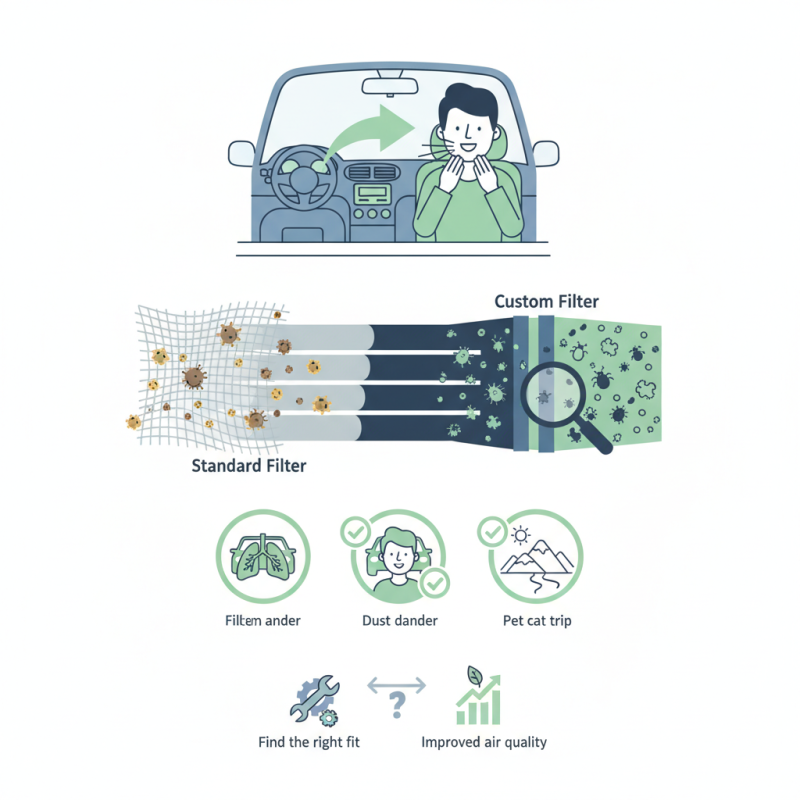
Why is a custom cabin filter better for allergy sufferers? Traditional filters often fail to catch smaller particles like pollen and dust mites. Custom filters are designed with advanced materials that target these allergens. They create a cleaner environment in vehicles, drastically reducing exposure. This can lead to fewer allergy symptoms during travel.
It's important to consider the practicality of custom filters. They might not be as widely available as standard options. Some consumers may struggle with finding the right fit for their vehicle. Nonetheless, investing in a custom cabin filter could improve air quality. Proper filtration helps alleviate allergy triggers, allowing for a more comfortable ride. The right filter can mean the difference between breathing easily and suffering.
Understanding the Role of Cabin Filters in Air Quality Management
Cabin filters play a crucial role in maintaining air quality inside vehicles. They trap dust, pollen, and other airborne particles, providing cleaner air for passengers. This is especially important for those who suffer from allergies. Poor air quality in the cabin can significantly impact health and comfort, leading to sneezing, coughing, or more severe allergic reactions. Custom cabin filters can enhance this protective barrier, catering specifically to individual needs.
Tips: Regularly replace your cabin filter to maximize its performance. Check the manufacturer's guidelines for the ideal replacement interval. If you notice increased dust or allergens inside your car, it may be time for a change.
Understanding air quality management requires awareness of various factors. Not only do cabin filters clean the air, but they also affect vehicle performance.
Clogged filters can restrict airflow, straining the HVAC system. Therefore, a well-maintained cabin filter is often overlooked but vital for both air quality and car efficiency.
Tips: Keep an eye on your filter's condition. A simple visual check can save you from discomfort. If you suffer from specific allergies, consider filters designed to target specific irritants for enhanced relief.
The Impact of Allergens on Indoor Air Quality and Health
Indoor air quality significantly affects our health. Allergens are a major contributor to poor air quality. Dust mites, mold, and pollen can trigger allergic reactions. These reactions include sneezing, itching, and congestion. Long-term exposure can lead to chronic conditions like asthma.
Many homes lack proper filtration systems. Standard filters often fail to capture small particles. Custom cabin filters can be more effective. They are designed to eliminate specific allergens. This specialized filtration improves the air we breathe.
Investing in custom filters can lead to noticeable changes. Less sneezing and clearer airways can be life-changing. Yet, not everyone recognizes the importance of proper filtration. Some may think all filters are the same, which is a common misconception. It's crucial to reassess our choices for better health. What we breathe matters.
Impact of Allergens on Indoor Air Quality
Benefits of Custom Cabin Filters for Enhanced Allergy Relief
Allergies affect millions of people. Common triggers include pollen, dust, and mold. Custom cabin filters offer significant benefits for those seeking relief. They are designed to meet specific needs and effectively trap allergens. This results in cleaner air inside your vehicle.
Unlike standard filters, custom options can address unique sensitivities. They often utilize advanced filtration technologies. This means more efficient allergen capture. Users report a noticeable reduction in allergy symptoms while driving. Enhanced airflow also provides a more comfortable driving experience. Over time, this can improve overall well-being.
However, not all custom filters are the same. Choosing the right filter requires some research. Look for specifications that match your allergy profiles. It can be a challenge, but the health benefits are worthwhile. Many find that investing time into this choice leads to significant improvements. Proper maintenance is equally important for consistent performance. Remember, even the best filter needs regular replacement to remain effective.
Comparing Standard vs. Custom Cabin Filters: What You Need to Know
When considering cabin filters, it's essential to understand the differences between standard and custom options. Standard cabin filters often use a basic synthetic material, which may capture dust and pollen effectively. However, they generally lack advanced features. Custom cabin filters, on the other hand, can include additional layers designed to trap smaller particles, allergens, and even odors. Reports suggest that custom filters can remove up to 98% of airborne contaminants, making a significant impact on air quality inside vehicles.
A study by the American Lung Association reveals that individuals with allergies can be impacted by poor air quality in confined spaces. Vehicles can accumulate pollutants that aggravate conditions such as asthma. Standard cabin filters may simply not provide adequate protection against these harmful particles. Custom filters, engineered with advanced technology, offer a tailored fit for various vehicle models. This ensures they maintain optimal performance.
It's important to note that custom filters require regular maintenance to sustain their effectiveness. Neglecting to change them may lead to a buildup of debris, reducing their benefits. Experts recommend checking filter conditions every 12,000 to 15,000 miles. Ultimately, while custom cabin filters may involve a higher initial cost, their long-term benefits can outweigh this investment, especially for those suffering from allergies.
Maintenance and Replacement: Ensuring Optimal Performance of Cabin Filters
Maintaining your cabin filters is crucial for ensuring clean air quality inside your vehicle. Dust, pollen, and airborne allergens can accumulate over time. This buildup can lead to respiratory issues, particularly for allergy sufferers. Regular replacement of cabin filters can significantly reduce these particles. The general rule is to replace them every 12,000 to 15,000 miles. However, if you live in a high-pollen area, more frequent changes might be necessary.
Tips: Check your filters regularly. A simple visual inspection can often reveal dirt buildup. If you notice discoloration, it's time for a replacement.
Also, consider the season. Allergy levels can change, and so does the amount of debris entering your car. During spring and fall, when pollen counts rise, you may need to change filters more frequently. This proactive approach helps maintain optimal performance. Clean filters work effectively, allowing you to breathe easier while driving.
Moreover, improper installation can hinder airflow. Take your time and consult the manual. Ensure you’re following the right steps for your specific vehicle model. Pay attention to how filters are fitted. A small mistake can lead to larger issues down the line.
FAQS
: Cabin filters trap dust and pollen, providing cleaner air for passengers and reducing allergy symptoms.
Generally, replace cabin filters every 12,000 to 15,000 miles. Check local conditions for more frequent changes.
Neglecting your cabin filter can reduce airflow and worsen air quality, affecting health and comfort.
Custom cabin filters can remove up to 98% of airborne contaminants, offering better air quality for allergy sufferers.
A simple visual inspection can reveal dirt buildup or discoloration, indicating it's time for a replacement.
Yes, during spring and fall, higher pollen counts may require more frequent filter changes for better air quality.
Improper installation can hinder airflow and reduce filter effectiveness, leading to potential health issues.
Yes, maintaining and replacing filters can significantly reduce respiratory issues related to airborne allergens.
Choose filters that target specific allergens if you have allergies; custom options may provide better protection.
Standard filters may not provide adequate protection against harmful particles, which can aggravate allergies and asthma.
Conclusion
Custom cabin filters play a critical role in managing air quality, especially for individuals suffering from allergies. They are designed to effectively capture a wide range of allergens that can compromise indoor air quality, such as dust, pollen, and mold spores. This custom filtration not only provides enhanced allergy relief but also contributes to overall health by ensuring the air breathed inside vehicles is cleaner and fresher.
Why is a custom cabin filter better for allergy sufferers? The answer lies in their tailored design; these filters can be specifically engineered to target the allergens that affect individuals the most. Unlike standard filters, custom options provide a higher level of filtration, which leads to significant improvements in air quality. Furthermore, proper maintenance and timely replacement of these filters are essential to maintaining their optimal performance, ensuring sustained relief from allergy symptoms.

 Tolev Auto