How to Choose a Customizable High Performance Oil Filter?

Time:2026-05-05 Author:Mason
0%

Choosing a customizable high-performance oil filter can be overwhelming. With so many options available, it's essential to understand what makes a high-performance oil filter "customizable." This concept isn’t just about fitting different engine types or sizes. It involves adjusting specifications that cater to your unique driving conditions and preferences.

Consider filtration efficiency, service life, and pressure ratings. These elements impact performance significantly. A filter may perform exceptionally well in one scenario but fail in another. It’s crucial to assess your vehicle's needs and identify how these filters can enhance engine longevity and efficiency.

Performance-driven drivers must reflect on their choices. Asking questions can lead to solutions. Are you prioritizing longevity or maximum filtration? It’s not always cut-and-dry. The best choice depends on individual driving styles and maintenance routines. By engaging with experts and researching options, you can make a more informed decision about your oil filter needs.
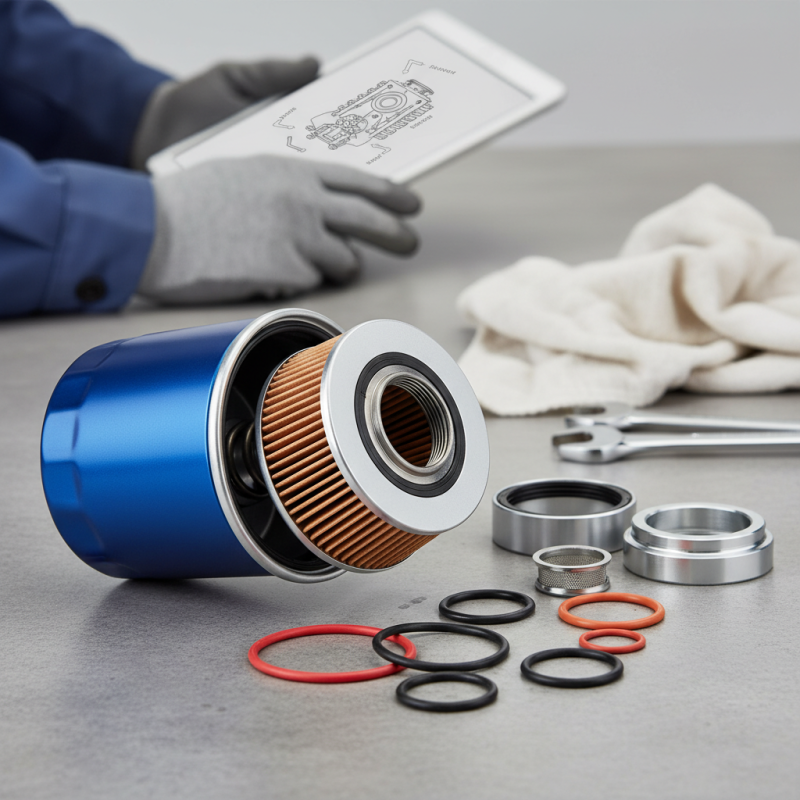
How to Choose a Customizable High Performance Oil Filter?

Understanding Engine Performance Requirements for Oil Filter Selection

When selecting a customizable high-performance oil filter, understanding your engine's performance requirements is crucial. Research indicates that an engine operates optimally when the oil filter meets specific filtration needs. For instance, filters that capture particles as small as 5 microns significantly improve engine longevity. Most standard filters only catch larger debris, leaving harmful contaminants that could cause wear and tear.

The type of engine plays a critical role in filter selection. High-performance engines, such as those in racing or heavy-duty applications, generate more contaminants. According to industry experts, these engines can produce three times more particles than a standard engine. A suitable oil filter must balance high flow rates with excellent filtration capabilities. Filters with higher surface areas can often handle increased demands without sacrificing performance. However, choosing a filter that is too specialized may lead to limited availability and potentially frustrating maintenance challenges.

Even with the best research, there’s always a possibility of oversights. For example, some new filter designs may not have undergone extensive field testing. This raises questions about their long-term reliability. Users must assess not just immediate oil quality but also how a filter might impact engine performance over time. This requires vigilance and an openness to reassess choices based on how well the filter performs in real-world conditions.

Key Features of High-Performance Oil Filters: Filtration Efficiency and Capacity

When selecting a high-performance oil filter, filtration efficiency stands out as a crucial feature. This efficiency determines the filter's ability to capture contaminants, ensuring cleaner engine oil. According to a report by the Institute of Environmental Sciences and Technology, advanced filters can remove particles as small as 5 microns. This level of filtration can significantly prolong engine life and enhance performance. However, it's essential to consider the balance between filtration efficiency and flow rate. Filters that focus solely on high filtration may restrict oil flow, negatively impacting lubrication.

Capacity is another key attribute to consider. A high-capacity oil filter can hold more contaminants before requiring replacement. Research from the Society of Automotive Engineers demonstrates that filters designed with increased capacity can extend service intervals. In many cases, this can be a double-edged sword. While longer intervals between changes can save time and money, neglecting to replace a filter that is at capacity can lead to engine stress and failure.

In practice, selecting the right oil filter requires careful consideration of these features. It’s tempting to opt for maximum filtration, but that might not always be the best choice for your engine type. Understanding the specific needs of your vehicle helps ensure that both efficiency and capacity are aligned with performance goals. Different operating conditions also play a vital role in this decision-making process.

Evaluating Customization Options in Oil Filters for Specific Engine Types

Choosing a customizable high-performance oil filter requires understanding your engine's specific needs. Different engines operate under various conditions, demanding tailored filtration solutions. Customization options can vary significantly. Factors like filtration efficiency, flow rate, and media type are crucial.

Tips: Always assess your driving habits. If you drive aggressively, a filter with a high dirt-holding capacity is essential. Look for products that offer multiple media options. Some filters may excel in high-temperature conditions, while others may focus on maximizing flow.

Customization is not just about picking a filter; it's about matching it to your engine's requirements. Consider the engine type and operating environment, including temperature and driving style. Each engine may have unique demands that affect filter performance. Research is essential to make informed choices.

Tips: Review manufacturer specifications carefully. An oil filter that works well for one engine type might not suit another. Don’t hesitate to seek expert advice or look for established resources to deepen your understanding. Customization leads to better engine performance but requires an investment of time and effort.

Industry Standards and Certifications for High-Performance Oil Filters

When choosing a customizable high-performance oil filter, understanding industry standards and certifications is crucial. These standards ensure that the filters meet specific performance metrics. Look for certifications from organizations like SAE and ISO. These certifications indicate that the product has passed rigorous testing.

Moreover, consider the filtration efficiency. A high-efficiency filter can capture small particles, extending engine life. Look for filters with a high dirt-holding capacity. This ensures that the filter does not clog quickly, which could affect engine performance. It's also important to check the pressure drop ratings. A low pressure drop means less strain on the engine, enhancing overall efficiency.

It's easy to overlook these aspects during the selection process. Some filters may look good but lack proper certifications. Researching each option can be time-consuming, yet it's necessary for quality assurance. Reflecting on past experiences can guide you. Don’t rush; take the necessary time to ensure you’re making an informed choice.

Comparative Analysis: Cost vs. Performance in Customizable Oil Filters

Choosing a customizable oil filter involves more than just cost. Performance plays a crucial role in ensuring engine longevity. A high-performance filter should effectively trap contaminants while maintaining optimal oil flow. However, striking the right balance between cost and performance is essential.

Tips: Consider your driving conditions. Off-road vehicles or those in extreme climates may require more advanced filters. These filters typically have a higher upfront cost but offer better protection.

When comparing options, examine the filtration material and construction. Some filters use synthetic fibers which enhance dirt-holding capacity. Others may use metal mesh, offering durability but potentially sacrificing finer filtration. Beware of filters that prioritize price reduction over quality.

Tips: Consult reviews and independent tests. This information can provide insights into real-world performance. Look for filters that have been tested under extreme conditions to gauge reliability.

Cost vs. Performance in Customizable High Performance Oil Filters

FAQS

: Why are industry standards and certifications important for oil filters?

: They ensure filters meet specific performance metrics and have passed rigorous testing.

What should I look for in terms of filtration efficiency?

Choose filters that capture small particles and have high dirt-holding capacity.

How does pressure drop affect engine performance?

A low pressure drop means less strain on the engine, improving overall efficiency.

What common mistake do people make when choosing oil filters?

They often overlook certifications and performance metrics, focusing only on appearance.

How can driving conditions influence filter choice?

Off-road or extreme climate vehicles may need advanced filters, despite higher costs.

What materials should I consider in oil filter construction?

Look for synthetic fibers for better dirt-holding or metal mesh for durability.

Why is it essential to research different oil filter options?

It ensures you choose quality filters and avoid those that prioritize low cost over effectiveness.

How can I gauge a filter's real-world performance?

Consult reviews and independent tests, especially those done under extreme conditions.

What is a downside of selecting a cheaper oil filter?

They may sacrifice quality and performance, leading to engine damage.

What is a reflective approach to take before purchasing a filter?

Reflect on past experiences with filters to make a more informed choice.

Conclusion

Choosing a customizable high-performance oil filter requires a thorough understanding of engine performance requirements and the essential features that contribute to oil filter effectiveness. Key elements include filtration efficiency and capacity, which ensure optimal engine protection and longevity. Evaluating customization options is crucial for matching oil filters to specific engine types, allowing for enhanced performance tailored to individual needs.

Additionally, it's important to consider industry standards and certifications that ensure the reliability of high-performance oil filters. A comparative analysis of cost versus performance can help determine the best value when selecting customizable oil filters. Ultimately, the question "What makes a high-performance oil filter 'customizable'?" revolves around the ability to tailor filtration specifications, materials, and design to meet the unique demands of different engine configurations, thus maximizing performance and protection.

Mason

Mason

Mason is a seasoned marketing professional with a deep expertise in the company's offerings and a passion for driving brand awareness. With a strong background in digital marketing strategies, he has an innate ability to connect with diverse audiences and effectively communicate product benefits.......