In the quest for a fresher indoor environment, many homeowners ponder, "Can a custom air conditioning filter remove odors better?" This inquiry is crucial as unpleasant smells can stem from various sources, including pets, cooking, or even mold. Standard filters may not capture these irritants effectively, leading to recurring issues.
Custom air conditioning filters can be designed to target specific odors. They often contain advanced materials and technologies. These features enhance their ability to trap particles and neutralize offensive scents. However, effectiveness can vary based on the filter type and the nature of the odor itself.
Choosing the right filter requires knowledge and experience. Not every custom option is guaranteed to work for every situation. Homeowners might need to experiment before finding the perfect match for their needs. Ultimately, while custom filters hold promise, their impact on odor removal warrants careful consideration and sometimes, trial and error.
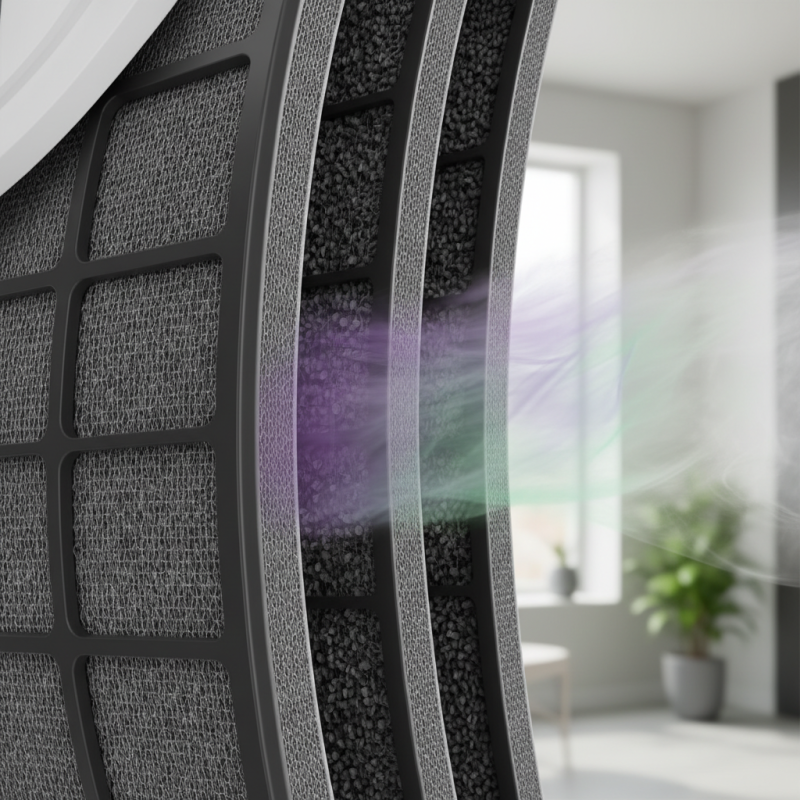
Air conditioning filters play a crucial role in maintaining indoor air quality. They help remove particles and pollutants from the air, including dust, pollen, and even odors. According to the Environmental Protection Agency (EPA), indoor air can be two to five times more polluted than outdoor air. This highlights the importance of using effective air filters for odor control.
Custom air conditioning filters are designed to target specific types of odors, such as those from pets or cooking. These filters often incorporate activated carbon, which is known for its odor-absorbing properties. A study published in the Journal of Environmental Health suggests that activated carbon can reduce indoor odors significantly, providing a fresher living environment. However, not all filters are equally effective, and some may only mask odors rather than eliminate them entirely.
Tips for improving odor control include regularly replacing filters every 3 months and maintaining a clean air conditioning system. Vacuuming around the unit can also help minimize odors from dust and debris. Consider using additional odor absorbers, like baking soda, in tandem with filters for best results. While filters are important, they are just one part of a holistic approach.
When considering custom air conditioning filters, it's critical to understand the types available and their specific features. High-efficiency particulate air (HEPA) filters are a popular choice. They trap 99.97% of particles, including allergens and dust. According to the American Society of Heating, Refrigerating and Air-Conditioning Engineers (ASHRAE), these filters also significantly reduce airborne pollutants. However, they may not tackle odors effectively.
Granular activated carbon filters are designed specifically for odor removal. They capture volatile organic compounds (VOCs) and other gases. In a report published by the Environmental Protection Agency (EPA), air quality improves dramatically when these filters are used. However, their effectiveness diminishes over time, requiring regular replacement or maintenance. Some users have reported dissatisfaction with odor control, indicating that a combination of both HEPA and activated carbon may be necessary for optimal results.
Electrostatic filters are another option. They use static electricity to attract particles, enhancing air cleanliness. A study from the National Air Filtration Association suggests that these filters can also reduce certain odors, but results may vary. Their structure allows dirt to stick, which can cause airflow issues if not frequently cleaned. Moreover, some users have observed that they might not filter out larger particles as effectively as expected. This variability underscores the importance of selecting the right filter based on specific needs.
Custom air conditioning filters can tackle odors more effectively than standard filters. Standard filters mostly capture dust and allergens, but they often miss subtle smells. These odors can come from pets, cooking, or even mold. In contrast, custom filters can be designed specifically to address particular odors in a space. This targeted approach can lead to clearer air.
The materials used in custom filters often enhance odor removal. Activated carbon is a popular choice. It traps and neutralizes unwanted smells, providing fresher indoor air. It's crucial to choose the right filter. Some might say that standard filters are sufficient, but many homeowners notice a significant difference with custom designs. This claim is supported by anecdotal evidence from users who experienced fewer odors.
However, the effectiveness of custom filters can vary. Not every custom filter is created equal, and quality matters. Poorly designed filters can lead to airflow issues or reduced efficiency. Regular maintenance is also essential. Filters need to be changed regularly for optimal performance. A forgotten filter can lead to stale air again, voiding its benefits. Custom filters can provide remarkable results, yet they require thoughtful selection and upkeep.
Odors in indoor environments can be quite challenging to manage. Custom air conditioning filters claim to address this issue effectively. Their success largely depends on several factors. The type of filter media used plays a vital role. High-efficiency particulate air (HEPA) filters, for instance, trap smaller particles but may not handle odors as well as activated carbon filters.
Humidity levels also influence odor retention. In more humid conditions, odors may linger longer in the air, as moisture can trap volatile organic compounds. Proper maintenance is necessary, too. Filters need changing regularly to maintain efficacy. A dirty filter is less likely to manage odors effectively.
The size and layout of the space are also crucial. Larger rooms might require multiple filters to combat odors effectively. In contrast, smaller spaces may respond well to a single custom filter. Ultimately, while custom air filters can help with odor removal, their effectiveness hinges on these factors. Assessing your environment regularly can lead to better air quality and a fresher atmosphere.
| Filter Type | Material | Odor Removal Efficiency (%) | Lifespan (Months) | Price Range ($) |
|---|---|---|---|---|
| HEPA Filter | Fiberglass | 85 | 12 | 30-50 |
| Activated Carbon Filter | Activated Carbon | 90 | 6 | 25-75 |
| Photocatalytic Filter | Titanium Dioxide | 95 | 24 | 100-200 |
| Pre-Filter | Synthetic Fiber | 70 | 3 | 15-30 |
| Fiber Filter | Polyester | 75 | 9 | 20-40 |
Custom air conditioning filters can significantly enhance the indoor air quality. To maximize odor control, regular maintenance is key. Changing filters every 1-3 months is important. Dust, pollen, and pet dander can accumulate quickly, reducing air quality. This buildup can lead to unpleasant odors.
Cleaning the entire HVAC system helps, too. Regular vacuuming of vents and ducts ensures efficiency. Consider using a vacuum with a HEPA filter for better results. Furthermore, ensuring that condensate drains are clear helps prevent mold growth. Mold can create musty smells that linger.
Monitor humidity levels in your space. High humidity can promote odor problems. A dehumidifier can work alongside your filter system. When odors persist, inspecting the entire system is necessary. Sometimes the source might not be the filter at all. Regular check-ups ensure that everyone breathes easier.
: Air conditioning filters improve indoor air quality by removing particles, pollutants, and odors.
Custom filters target specific odors, while standard filters mainly capture dust and allergens.
Activated carbon is commonly used to absorb and neutralize unwanted smells in custom filters.
Filters should be replaced every three months for optimal odor control.
Yes, using items like baking soda alongside filters can improve overall odor control.
Some filters only mask odors, and variations in quality can lead to ineffective results over time.
They may not filter larger particles effectively and can cause airflow issues if not cleaned regularly.
Neglecting to change filters can lead to stale air and reduced efficiency, undermining odor control efforts.
HEPA filters primarily capture particles and allergens but may not effectively tackle odors.
The specific needs of the space should guide the selection to ensure effective odor elimination.
The article "Can Custom Air Conditioning Filters Eliminate Odors Effectively?" explores the significant role of air conditioning filters in managing indoor odors. It begins by examining how different types of custom air conditioning filters, designed with unique features tailored for odor control, compare to standard filters. The effectiveness of these filters in eliminating odors is influenced by various factors, including the composition of the materials used and the presence of specific pollutants.
Ultimately, the key question arises: "Can a custom air conditioning filter remove odors better?" The article underscores that while custom filters often provide superior odor removal capabilities due to their advanced designs and filtration technologies, regular maintenance is crucial for maximizing their effectiveness. By following maintenance tips, users can enhance the overall odor control performance of their chosen filters, thereby creating a fresher indoor environment.

Tolev Auto