Can Custom Air Conditioning Filters Effectively Remove Odors?

Time:2026-09-04 Author:Sophia
0%

Odors can be a persistent problem in many indoor environments. They stem from various sources, including pets, cooking, and mold. Traditional air conditioning filters often struggle to effectively remove these unpleasant smells. This brings us to an important question: Can a custom air conditioning filter remove odors better?

Custom air conditioning filters are designed to target specific pollutants and odors. They can be tailored to the unique needs of your space. Using advanced materials and technologies, these filters might improve air quality. However, their effectiveness can vary greatly. Some filters may underperform in capturing all types of odors. The choice of filter matters significantly. It is essential to understand what you're dealing with and to select wisely.

Many users report mixed results with custom solutions. Some experience relief from odors, while others find it lacking. It's crucial to consider the specifics of your situation, such as the source of the odors and the design of the filter. In-depth research and sometimes a bit of trial and error may be needed to find the right fit. Custom filters can be beneficial, but their benefits aren't guaranteed. The journey towards fresher air requires careful thought and an open mind.
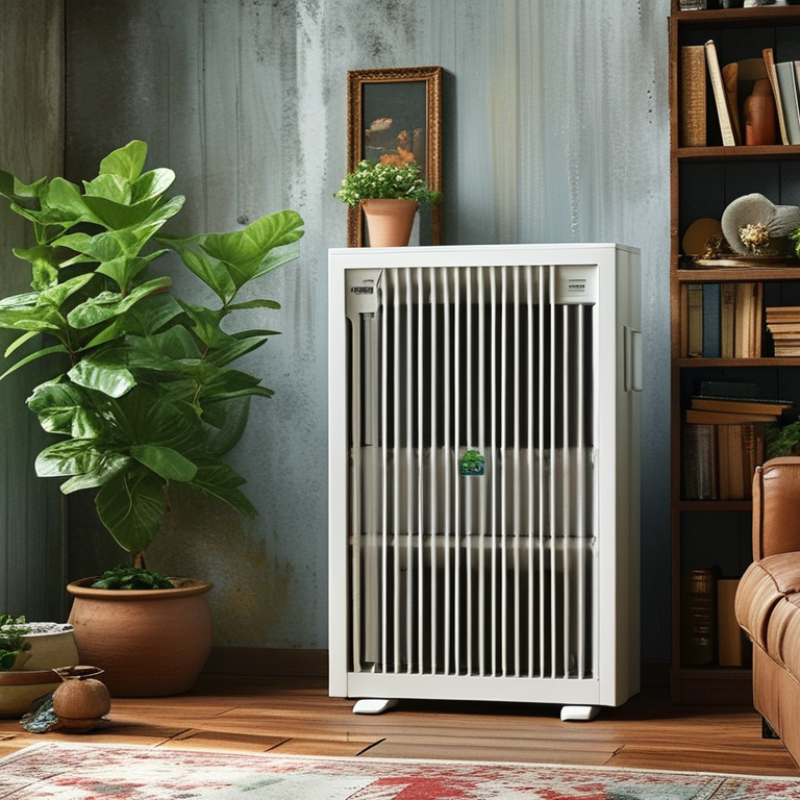
Can Custom Air Conditioning Filters Effectively Remove Odors?

Understanding Custom Air Conditioning Filters and Odor Removal

When dealing with unpleasant odors in indoor spaces, custom air conditioning filters may offer a solution. These filters are designed specifically to target various pollutants and allergens. They can trap dust, pet dander, and smoke. As they capture these particles, they may also help reduce smells that linger in the air. However, their effectiveness can vary based on design and filtration technology.

Not all custom filters are created equal. Some may focus more on particulate matter, while others might incorporate activated carbon layers aimed at odor absorption. The material and construction of these filters play a significant role. For instance, a filter that prioritizes air flow may not trap odors effectively. It's essential to choose a filter that matches the specific odor challenges faced in your environment. Regular maintenance and timely replacement are also crucial; a clogged filter can worsen indoor air quality.

While custom air conditioning filters can aid in reducing odors, they may not eliminate them entirely. Understanding their limitations is vital. Factors like humidity and the source of the odor can impact their performance. A filter works best as part of a broader air quality strategy, which may include regular cleaning and proper ventilation.

Can Custom Air Conditioning Filters Effectively Remove Odors?

This chart illustrates the effectiveness of different air conditioning filter types in removing odors. Custom filters show the highest effectiveness, making them a key solution for improving indoor air quality.

How Air Conditioning Filters Work to Capture Odors

Air conditioning filters play a crucial role in improving indoor air quality. These filters utilize various materials to capture particles and odors. When air passes through these filters, they trap dust, allergens, and other pollutants. This process is essential for reducing unpleasant smells caused by mold, pets, or smoke.

Different types of air filters can target odors more effectively. Activated carbon filters, for instance, are designed to absorb volatile organic compounds (VOCs) and other odor-causing substances. They contain tiny pores that attract and hold these molecules. However, not all filters are created equal. Some filters may not trap specific odors, leading to lingering smells. This challenge highlights the need for a tailored approach based on your unique environment.

Regular maintenance is vital for optimal filter performance. Changing filters frequently ensures they work efficiently. Neglecting this can reduce their effectiveness. It's sometimes easy to overlook this task, resulting in odors persisting. Being aware of this can help you make more informed decisions about air quality solutions. Understanding how filters work will empower you to choose the best option for your needs.

The Role of Material in Custom Air Conditioning Filters

Custom air conditioning filters are designed to enhance indoor air quality. Material plays a significant role in their effectiveness at removing odors. Filters made from activated carbon can absorb volatile organic compounds (VOCs) and other odors. According to industry reports, filters featuring activated carbon can reduce odor levels by up to 80%.

Fiberglass filters, while common, are less effective against smells. They function mainly to trap larger particles like dust. Their odor-absorbing capabilities are minimal. In contrast, HEPA filters are excellent for removing particles but not specifically tailored for odors. Balancing these materials can lead to a more pleasant indoor environment.

Research highlights that investing in quality materials for air filters is essential. A study from the Environmental Protection Agency indicates that poor air quality can lead to respiratory issues. Therefore, selecting the right filter material is crucial. It can reduce odors and promote better health outcomes. However, many homeowners may overlook this aspect, leading to persistent air quality issues. Choosing wisely could mean significant improvements in comfort and well-being.

Factors Influencing the Effectiveness of Odor Removal

Custom air conditioning filters can be an effective solution for odor issues in indoor spaces. Various factors influence their ability to remove odors efficiently. The material and design of the filter play a crucial role. For example, filters made from activated carbon can capture and neutralize a range of odors better than standard filters.

Another significant factor is the airflow rate of the HVAC system. If the airflow is too low, the filter may not adequately process all the air in a room. Poor airflow can lead to stagnant air, which enhances odor presence. Additionally, the frequency of filter replacement affects performance. A dirty filter can trap odors and even release them back into the air over time.

Home environments also matter. Cooking smells, pet odors, and outdoor pollutants contribute to indoor air quality. In homes with higher odor challenges, specialized filters may be necessary. Regular maintenance and choosing the right product based on specific needs is vital. Understanding these elements can help in making informed decisions about filter selection for optimal odor removal.

Comparing Custom Filters to Standard Filters for Odor Control

Custom air conditioning filters have gained popularity for their ability to address specific needs. Unlike standard filters, custom filters are designed to target unique indoor air quality issues, including unwanted odors. These filters can be tailored to capture various particles and volatile organic compounds that contribute to unpleasant smells.

When comparing custom filters to standard ones, the differences are evident. Standard filters often serve a general purpose, trapping dust and allergens but lacking in odor control. Custom filters, however, can incorporate activated carbon and other materials known for odor absorption. This can significantly improve the air quality of spaces where odors linger, like kitchens or pet areas.

While custom filters offer advanced benefits, they are not infallible. Their effectiveness can vary based on placement and maintenance. A poorly installed filter won’t perform optimally, regardless of its design. Moreover, the air conditioning system itself should be regularly serviced to ensure airflow is not impeded. Thus, while custom filters may enhance odor removal, they require proper installation and upkeep to be truly effective.

FAQS

: What are custom air conditioning filters?

: They are designed to target pollutants and allergens in indoor environments.

How do these filters help with odors?

They trap particles like dust and pet dander, reducing lingering smells in the air.

Are all custom filters the same?

No, their effectiveness varies based on design and materials used.

What is the role of activated carbon in filters?

Activated carbon layers are great for absorbing and neutralizing odors.

How does airflow affect filter performance?

Low airflow can lead to insufficient processing of air, worsening odors.

Why is regular maintenance of filters important?

A clogged filter can release trapped odors back into the air.

Can filters eliminate all odors?

No, they may reduce but not completely eliminate odors.

What environmental factors can impact odor removal?

Humidity and sources of odors, like cooking and pets, significantly matter.

How often should I replace my air filters?

Regular replacement is vital for maintaining air quality and odor control.

What should I consider when choosing a filter?

Assess specific odor challenges and ensure the filter fits your needs.

Conclusion

The article "Can Custom Air Conditioning Filters Effectively Remove Odors?" explores the capabilities of custom air conditioning filters in odor removal. It begins by defining how these filters operate, emphasizing their design tailored to better capture various air contaminants, including unpleasant odors. The materials used in these custom filters play a crucial role in their effectiveness, as certain substances can adsorb or neutralize odors more efficiently than standard filter materials.

Moreover, the effectiveness of custom filters is influenced by several factors, such as filter maintenance, air circulation, and the specific types of odors present. By comparing custom filters to standard filters, the article addresses the common question, "Can a custom air conditioning filter remove odors better?" The evidence suggests that when designed specifically for odor control, custom filters can significantly outperform their standard counterparts, providing a fresher air experience in indoor environments.

Sophia

Sophia

Sophia is a dedicated marketing professional with an exceptional depth of knowledge about her company's products and services. With a keen understanding of market trends and customer needs, she crafts insightful blog posts that not only inform but also engage readers, enriching the company’s online......