In the world of public transportation, high-mileage buses play a crucial role. These vehicles endure long hours on the road, accumulating wear and tear over time. The effectiveness of their filtration systems significantly influences their overall performance. This brings us to the important question: Why is custom filtration necessary for high-mileage buses?
Standard filtration may not meet the specific needs of these buses. Custom filtration solutions offer a tailored approach. They can address particular challenges such as dust accumulation and fuel contamination. Additionally, they prolong engine life and improve fuel efficiency. With higher mileage, buses experience more strain under challenging conditions, making filtration even more vital.
Investing in custom filtration ensures reliability and safety through enhanced performance. Buses face different environmental factors that affect their operation—elements like extreme weather and heavy debris. Custom filters adapt to these variables, providing enhanced protection. In the long run, this investment also leads to lower maintenance costs. Understanding these factors is essential for anyone involved in fleet management.
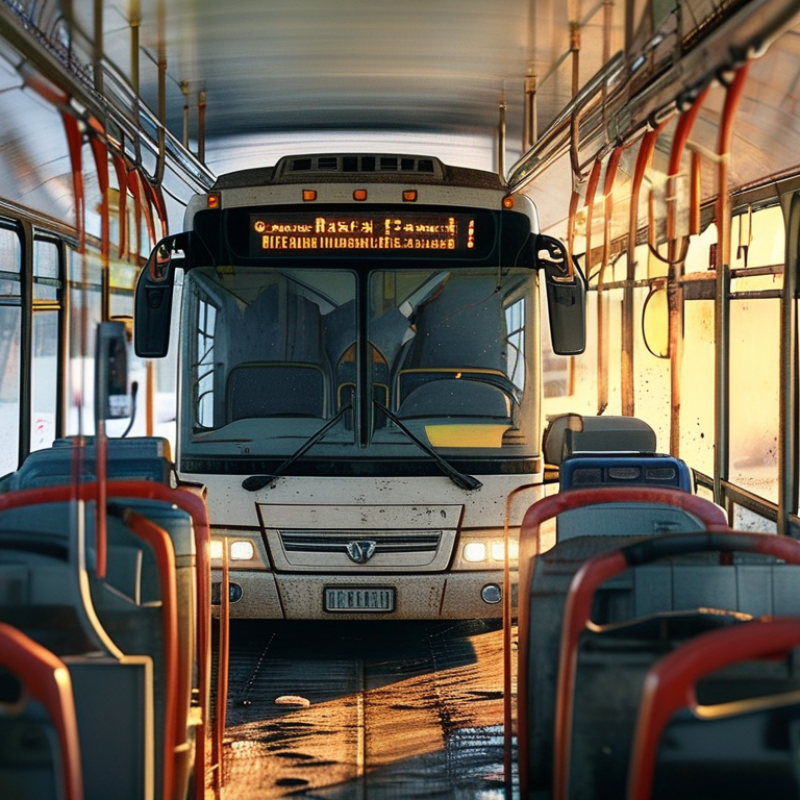
Customized filtration systems play a crucial role in enhancing the longevity and efficiency of high mileage buses. According to a report by the American Public Transportation Association, buses operating over 200,000 miles can suffer from increased wear on engine components due to contaminants. Customized filters can significantly reduce this wear. By targeting specific pollutants found in urban environments, these systems ensure cleaner air intake, which is essential for optimal engine performance.
Moreover, tailored filtration systems can improve fuel efficiency. A study by the National Renewable Energy Laboratory indicates that buses with advanced filtration can achieve fuel savings of up to 10%. This result is largely due to reduced engine strain and improved combustion processes. Proper filtration also leads to fewer maintenance needs, extending the intervals between costly repairs and downtime. This is vital, as a decrease in bus availability can disrupt service schedules and create financial strains.
However, not all filtration solutions are created equal. Some systems may not effectively address the specific needs of high mileage buses. It's essential for operators to analyze their unique environments and performance requirements. Regular assessment and upgrades of filtration systems can provide added benefits. Thus, operators should remain vigilant and willing to adapt their strategies to maximize efficiency and reliability.
| Reason | Description | Benefit |
|---|---|---|
| Enhanced Filtration Efficiency | Custom filtration systems target specific contaminants found in high mileage environments. | Improved air and fluid quality, leading to optimal engine performance. |
| Tailored to Operating Conditions | Design can be adjusted based on local environmental factors such as dust and humidity. | Longer filter life and reduced maintenance frequency. |
| Cost-Effectiveness | Custom solutions can lower the total cost of ownership by minimizing downtime and repairs. | Increased savings based on fewer replacements and repairs. |
| Increased Fuel Efficiency | Efficient filtration helps maintain optimal engine operation. | Lower fuel consumption, translating to cost savings. |
| Improved Engine Longevity | Reduces wear and tear on engine components through effective contaminant removal. | Extended lifespan of the engine, reducing lifecycle costs. |
| Compliance with Regulations | Custom systems can be designed to meet specific local emissions regulations. | Avoidances of fines and improved public image. |
| Customizable Maintenance Schedules | Allows for tailored maintenance plans optimized for operational needs. | Increased operational efficiency and less unexpected breakdowns. |
| Reduction in Noise Pollution | Custom filters can help in dampening noise generated by the engine. | Improved passenger comfort and compliance with noise regulations. |
| Enhanced Safety Features | Through better filtration, engine overheating and failures are minimized. | Increased safety for passengers and drivers alike. |
| Sustainability Benefits | Custom systems contribute to lower emissions and environmental impact. | Improved sustainability and brand image. |
: They enhance engine longevity and efficiency by reducing wear caused by contaminants.
Tailored filtration can lead to fuel savings of up to 10% by minimizing engine strain.
Proper systems can extend intervals between costly repairs, reducing downtime and financial strain.
No, some may not address specific needs. Operators should assess their environments carefully.
Many overlook compliance, leading to decreased performance and higher maintenance costs.
Different environments expose buses to varying levels of pollutants, requiring tailored filtration solutions.
They often lack advanced technology, increasing exposure to harmful contaminants and emissions.
Regular assessments and upgrades are crucial. Adapting strategies can enhance efficiency and reliability.
There can be increased wear on engines and more frequent breakdowns, disrupting services.
They mitigate the impact of environmental pollutants, leading to better performance and longevity.
Custom filtration systems are essential for high mileage buses due to several key factors that enhance engine performance and longevity. First, customized filters are designed to effectively reduce particulate matter, which contributes to cleaner air emissions and better engine health. This targeted approach not only prolongs the life of engine components but also helps buses operate more efficiently, translating into significant cost savings over time.
Moreover, as regulations regarding emissions and environmental standards become stricter, investing in custom filtration systems ensures compliance with industry guidelines. These specialized solutions often outperform standard filtration options, providing enhanced efficiency and reliability for commercial buses. In summary, "Why is custom filtration necessary for high-mileage buses?" The answer lies in the substantial benefits that tailor-made filtration systems provide, from improved engine performance and longevity to adherence to industry standards and cost-effectiveness.

 Tolev Auto