Electric vehicles (EVs) are often praised for their eco-friendliness and advanced technology. However, one question remains: "Why do electric vehicles still need specialized air filters?" Many may assume that since EVs do not produce exhaust emissions, their air filtration needs are less critical. Yet, this assumption overlooks critical aspects of air quality and cabin comfort.
Specialized air filters in EVs serve vital roles. They not only trap dust and particulate matter but also filter out harmful pollutants from the air. Inside an EV’s cabin, air quality directly impacts the comfort and health of passengers. With prolonged use, standard filters may not offer adequate protection, leading to potential concerns.
Moreover, specialized filters can enhance the efficiency of heating and cooling systems. This ensures that drivers and passengers enjoy a comfortable ride. Therefore, understanding the importance of these filters is essential for anyone considering an electric vehicle. The need for effective air filtration in EVs highlights a complex interplay of technology, health, and environmental stewardship.
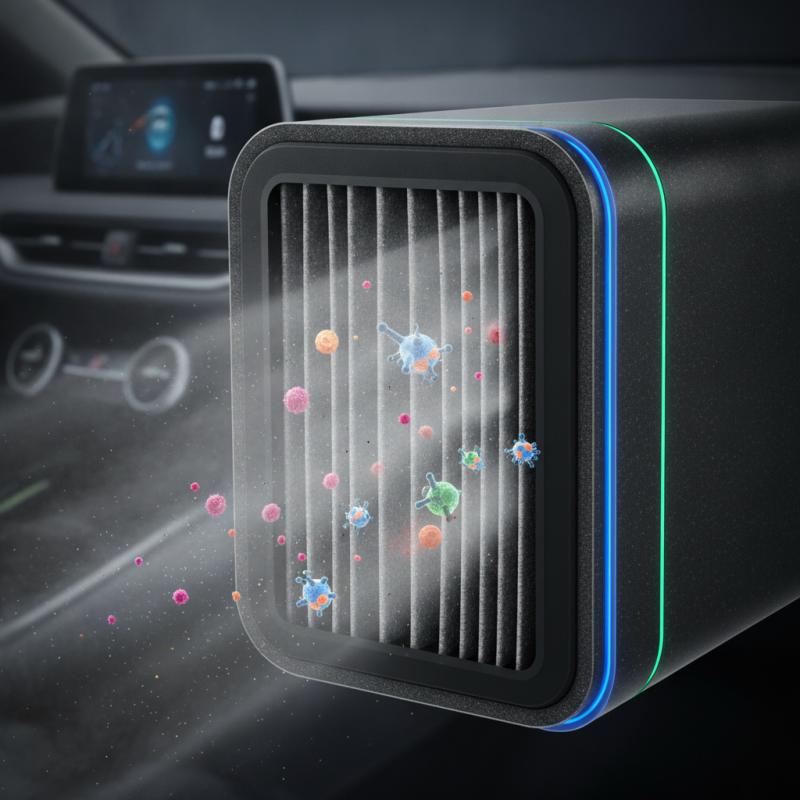
Why Specialized Air Filters Are Crucial for Electric Vehicles
Electric vehicles (EVs) require specialized air filters for several reasons. First, these filters help maintain user comfort by providing clean air inside the cabin. Pollutants and allergens can easily enter the vehicle, affecting air quality. Regular filters may not effectively capture fine particulate matter, which is especially crucial for city driving.
Another factor is system efficiency. Specialized filters optimize airflow through the vehicle's heating, ventilation, and air conditioning (HVAC) system. A well-functioning HVAC system contributes to the overall performance and energy consumption of the EV. Dirty filters can cause the system to work harder, leading to decreased battery life and range.
Tips for choosing the right air filter include ensuring compatibility with your specific EV model. Research the filter's efficiency rating as well. A higher MERV rating often indicates better filtration, capturing more harmful particles. Don't forget to check the filter replacement schedule, as regular maintenance is key for optimal performance.
When it comes to cleaning, users should note that not all filters are reusable. Some filters might require replacement after a specific time or mileage. Regularly inspect the filter condition to avoid potential issues with air quality and HVAC system efficiency. Pay attention to any signs of reduced airflow or unusual odors, as these could signal the need for a filter change.
The Role of Air Filters in Enhancing EV Performance and Longevity
Specialized air filters play a crucial role in the performance and longevity of electric vehicles (EVs). Unlike traditional internal combustion engines, EVs require optimal airflow to maintain battery efficiency. Air filters can help keep the air entering the battery compartment clean. Research shows that a clean environment can enhance battery life by up to 30%. This is essential for maximizing driving range and performance.
EV motors also benefit greatly from efficient air filtration. Contaminants in the air can negatively affect the motor's cooling systems. If these systems are compromised, the motor may overheat. This not only impacts performance but can also shorten the motor's lifespan. A well-functioning air filter can prevent up to 90% of airborne debris from entering critical components, ensuring that EVs run smoothly.
However, not all air filters are created equal. The type of material and filtration efficiency varies significantly. Some filters may not capture minute particles effectively, allowing contaminants to infiltrate. This highlights the need for regular maintenance and timely replacement of air filters. Relying on substandard filters can lead to reduced performance and increased operational costs. EV owners should invest in high-quality air filters to safeguard their vehicles.
Comparing Conventional and Specialized Air Filters in Automotive Applications
Electric vehicles (EVs) require specialized air filters due to their unique operation and environmental conditions. In contrast to conventional internal combustion engines, EVs produce no tailpipe emissions. However, they still draw in air from their environment, which can carry pollutants and particulate matter. According to a report by the International Energy Agency (IEA), air quality can significantly affect battery performance and longevity. Specialized filters are designed to capture ultra-fine particles that standard filters may miss.
The composition of these filters differs substantially. Conventional filters often focus on larger particles and basic contaminants. They may not effectively address the specific challenges faced by EVs. Specialized air filters utilize advanced materials that enhance filtration efficiency. Studies show that these filters can remove up to 99% of harmful particulates, while standard filters may only reach around 80%. This discrepancy underlines the importance of high-performance filtration in maintaining the health of critical vehicle systems.
Moreover, the growing use of EVs poses challenges for existing infrastructure. Specialized filters require more frequent monitoring and replacement. Many current filters could be inadequate, leading to potential risks. Industry experts suggest evaluating existing automotive filtration systems for performance gaps. Maintaining optimal air quality is essential for both vehicle efficiency and driver health.
Key Pollutants Targeted by EV Air Filters: A Data-Driven Analysis
Electric vehicles (EVs) are not just a shift in technology; they represent a transformation in how we think about air quality. Specialized air filters in EVs target key pollutants that influence our health and environment. These filters combat harmful particles such as PM2.5, volatile organic compounds (VOCs), and nitrogen oxides. Each pollutant poses distinct threats. PM2.5 can penetrate our lungs deeply, impacting daily breathing.
The efficiency of these filters is essential. While many traditional vehicles have standard filters, EVs require more advanced systems. They must also handle particulates from brake wear and tire degradation. A careful analysis shows that optimizing filter designs can significantly improve air quality in urban environments. Yet, there must be a balance. Overly complex filters may lead to increased costs and potentially reduced vehicle performance.
Moreover, the effectiveness of air filters can degrade over time. Regular maintenance and replacement are critical. But many consumers overlook this aspect. They may not realize that neglecting air filter care can negate the benefits of driving an EV. EV technology is evolving rapidly, and it requires ongoing education for users to ensure they harness its full potential.
Key Pollutants Targeted by Electric Vehicle Air Filters
Future Trends in Air Filtration Technology for Electric Vehicles
Electric vehicles (EVs) are redefining transportation. One crucial aspect of their design is air filtration. Upcoming trends indicate a shift towards more advanced filtration systems tailored to EV needs. Current reports predict that the global automotive air filter market will reach $5.9 billion by 2026. This growth stems from ongoing research and environmental awareness.
The necessity for specialized air filters in EVs lies in their unique environments. Unlike traditional vehicles, EVs operate mostly in urban zones with higher pollutants. Advanced filters can remove dust, pollen, and harmful particles efficiently. It’s estimated that a high-quality filter improves air quality inside EVs by up to 95%.
Tip: Regular maintenance of air filters can enhance their longevity and performance. Inspect filters every six months for best results.
As technology evolves, innovations like HEPA and activated carbon filters are on the rise. Integrating smart sensors may soon become a standard practice. They will dynamically adjust filtration based on air quality. However, challenges remain in balancing filter efficiency with energy consumption. More data is needed to find the optimal solutions.
Tip: Opt for filters that adhere to the latest industry standards. This ensures not only performance but also safety and reliability.
Why Do Electric Vehicles Need Specialized Air Filters? - Future Trends in Air Filtration Technology for Electric Vehicles
| Dimension |
Description |
Importance |
| Particulate Matter Filtration |
Removes fine particles from the air to protect the vehicle’s internal systems. |
Prevents damage to sensitive components, ensuring longevity and reliability. |
| Odor Control |
Filters unpleasant smells, improving passenger comfort. |
Enhances overall driving experience and cabin air quality. |
| Humidity Management |
Regulates moisture levels in the cabin, preventing fogging and mildew. |
Maintains visibility and hygiene within the vehicle. |
| Battery Cooling |
Ensures optimal air flow to the battery pack for temperature regulation. |
Enhances battery performance and lifespan, crucial for EV efficiency. |
| Noise Reduction |
Minimizes external noises entering the cabin. |
Provides a quieter, more pleasant driving environment. |
Conclusion
Electric vehicles (EVs) are often perceived as having a lesser need for specialized air filters compared to traditional vehicles, but "Why do electric vehicles still need specialized air filters?" is a significant question. These filters play a crucial role in maintaining optimal performance and extending the lifespan of EVs by targeting specific pollutants that can impair both the battery and the overall vehicle system.
By comparing conventional and specialized air filters, it becomes clear that specialized filters are designed to capture a broader range of contaminants, thus enhancing the vehicle's efficiency and user experience. Moreover, ongoing advancements in air filtration technology are set to further refine how EVs manage air quality, ensuring that they remain competitive and sustainable options in the automotive landscape.

 Tolev Auto