In the heavy-duty trucking industry, the performance and longevity of vehicles rely significantly on filtration systems. "Why is multi-stage filtration important for heavy-duty trucks?" This question has gained attention as more fleets prioritize efficiency and reliability. According to a recent report by the American Trucking Association, improper filtration can lead to increased maintenance costs and shortened engine life.
Multi-stage filtration effectively removes harmful contaminants, which enhances engine efficiency and durability. Fleet studies show that trucks utilizing advanced filtration systems can achieve up to 15% better fuel economy. This is crucial in an industry where fuel expenses account for a major portion of operating costs. In addition to economic benefits, improved filtration contributes to reduced emissions, addressing environmental concerns.
However, many operators underestimate the significance of quality filtration. A lack of awareness or misconceptions about filtration systems can lead to poor choices. This oversight often results in suboptimal performance and increased wear on vehicle components. Proper education and focus on multi-stage filtration can help fleets avoid these pitfalls and ensure their trucks operate at peak performance.
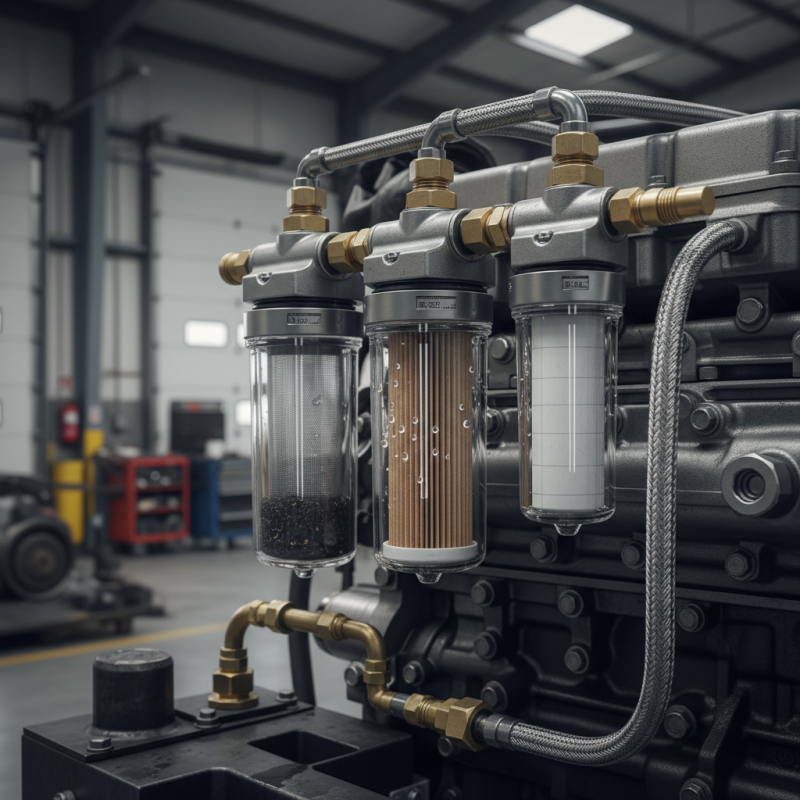
Multi-stage filtration plays a crucial role in enhancing truck performance. It significantly improves engine longevity and efficiency. According to a report by the American Trucking Associations, proper filtration can increase engine life by 15% to 25%. This improvement means fewer downtimes and lower maintenance costs for truck operators.
The benefits of multi-stage filtration extend to fuel systems as well. A study from the Society of Automotive Engineers indicates that trucks with advanced filtration systems experience fewer fuel system failures. This can lead to an increase in fuel efficiency by up to 10%. Cleaner fuel translates to better combustion, which directly affects overall performance.
Yet, not all multi-stage systems are created equal. Some may not capture the finest particles, leading to premature wear. Thorough testing and validation are essential to ensure optimal performance. It's evident that while multi-stage filtration is vital, continuous improvement and evaluation of these systems make a significant difference. Addressing these challenges is key to leveraging the full benefits of filtration in trucking.
Multi-stage filtration systems play a crucial role in truck maintenance and performance. These systems are designed to remove contaminants from fluids, ensuring that the engine and other components function smoothly. By employing multiple filters with varying pore sizes, these systems can trap both large particles and microscopic debris. This layered approach enhances the efficiency of each filter, allowing for better fluid quality over time.
Regularly using multi-stage filtration helps extend the lifespan of a truck's engine. Engines can suffer from wear and tear due to dirt and particulate matter in oil or fuel. A well-designed filtration system ensures these harmful substances are effectively removed, which can ultimately lead to lower maintenance costs. Attention to filtration not only impacts longevity but also affects fuel efficiency. Clean fluids support optimal combustion, which improves mileage.
While investing in multi-stage filtration, it’s important to consider the specific needs of each truck. Not all filtration systems are created equal. There may be a tendency to overlook the quality of components or installation details. Evaluating the filtration process regularly can lead to revelations about potential deficiencies in system design. This ongoing assessment can drive better performance in the long run.
Multi-stage filtration significantly enhances engine longevity in trucks. A recent study from the American Trucking Association indicates that effective filtration can reduce engine wear by up to 70%. This reduction extends the lifespan of vital engine components, leading to fewer repairs and lower maintenance costs. Poor filtration often leads to harmful particles circulating within the engine. This process can drastically diminish engine performance over time.
Engines that utilize high-quality multi-stage filters often exhibit improved fuel efficiency. For instance, research from the Society of Automotive Engineers found that multi-stage filtration can improve fuel efficiency by approximately 8%. This boost not only helps in saving on fuel costs but also minimizes harmful emissions. Enhanced filtration effectively captures dirt and contaminants, allowing cleaner air into the engine. This cleaner intake contributes to optimized combustion, further supporting performance and efficiency.
However, not all filtration systems are created equal. Some filtration methods may fail to capture smaller particles, allowing contaminants to cause damage. Therefore, selecting the right filtration system is crucial. It requires careful evaluation of filtration efficiency and material integrity. Any shortcomings in the filtration system will likely lead to long-term issues. Addressing these needs can make a noticeable difference in truck operation.
Multi-stage filtration is crucial for trucks, significantly impacting fuel efficiency and emissions control. According to the American Trucking Associations, particulate matter emissions can be reduced by up to 90% when high-quality filtration is employed. This means cleaner combustion and a lower carbon footprint. In a report by the Environmental Protection Agency, vehicles equipped with advanced filtration systems showed an increase in fuel efficiency by 5-15%.
Improper filtration can lead to fuel system failures, increased emissions, and higher operational costs. A study from the Society of Automotive Engineers indicates that nearly 30% of premature engine wear is due to inadequate filtration. This highlights the need for reliable systems. Regular maintenance and monitoring can mitigate these risks.
Trucks contribute significantly to road traffic emissions. Effective filtration not only enhances performance but also meets stringent regulatory requirements. Investing in multi-stage filtration pays off in the long run. It’s a step towards sustainable transportation, but many operators still neglect proper filtration practices. A shift towards comprehensive filtration systems is necessary.
When comparing multi-stage filtration systems to single-stage systems, the benefits become clear. Multi-stage filtration captures a wider range of contaminants. According to a report by the American Society of Mechanical Engineers, this system can remove particles as small as 1 micron. In contrast, single-stage systems often miss these critical contaminants, leading to greater engine wear and reduced efficiency.
Multi-stage filtration systems consist of multiple layers, each designed for specific contaminants. This structured approach ensures that larger particles are trapped first, allowing finer filters to operate more effectively. For instance, a study from the Society of Automotive Engineers found that trucks using multi-stage filtration saw a 30% increase in fuel efficiency compared to those using single-stage systems. Such data highlights the superior ability of multi-stage systems to enhance truck performance over time.
Tip:
Regular maintenance is crucial. Inspect filters every 10,000 miles to ensure they are functioning properly.
Moreover, while multi-stage systems offer substantial benefits, they can also be more complex and expensive to install. The initial cost can deter some users. However, the long-term savings from improved maintenance intervals and fuel consumption can offset the upfront investment. Many fleet operators report a decrease in overall operational costs due to fewer breakdowns associated with inadequate filtration.
Tip:
Consider the total cost of ownership when choosing filtration systems. Lower initial costs might lead to higher long-term expenses.
: Multi-stage filtration utilizes multiple filters to effectively remove contaminants from engine fluids.
It can reduce engine wear by up to 70%, extending the lifespan of engine components.
Multi-stage filtration can improve fuel efficiency by approximately 8%.
Yes, high-quality filtration can reduce particulate matter emissions by up to 90%.
Not all systems are effective; inadequate filtration can allow harmful particles to enter the engine.
It can lead to premature engine wear and increased operational costs.
Regular maintenance is crucial to ensure effective filtration and mitigate risks.
It may cause fuel system failures and result in higher emissions.
No, some fail to capture smaller particles, which can harm the engine.
Many overlook proper maintenance, despite the significant benefits of multi-stage filtration.
Multi-stage filtration systems are crucial for enhancing the performance and longevity of heavy-duty trucks. These systems utilize multiple filters to effectively remove contaminants from the fuel and air intake, ensuring cleaner combustion. Understanding the basics of multi-stage filtration unveils its significance in maximizing engine longevity, as it prevents wear and tear caused by dirt and debris.
Furthermore, a well-designed multi-stage filtration system plays a vital role in improving fuel efficiency and reducing emissions, which are critical for meeting environmental regulations and minimizing operational costs. In comparison to single-stage systems, multi-stage filtration demonstrates superior effectiveness in protecting the engine, leading to better overall performance. Thus, to answer the question, "Why is multi-stage filtration important for heavy-duty trucks?" it's evident that it safeguards engine health while enhancing efficiency, ultimately contributing to better sustainability in the trucking industry.

Tolev Auto