Custom intake systems play a crucial role in optimizing engine performance. However, issues with air flow can significantly impact functionality. Understanding how to troubleshoot air flow issues in custom intake systems is essential for any automotive enthusiast or professional mechanic. Even minor problems can lead to major performance drops.
Diagnosing air flow issues requires keen observation and thorough assessment. Clogged filters or poor design can restrict airflow. Additionally, leaks in hoses may lead to decreased engine efficiency, affecting overall performance. Identifying these issues early can prevent costly repairs.
Regular maintenance, including filter cleaning and inspection, is important. However, mistakes can happen. Sometimes, modifications may not yield the desired outcome. Reflection on past installations can lead to better future performance. Knowledge combined with experience makes troubleshooting effective. By exploring the top ways to resolve air flow issues, car enthusiasts can enhance their custom intake systems, ensuring they run smoothly.
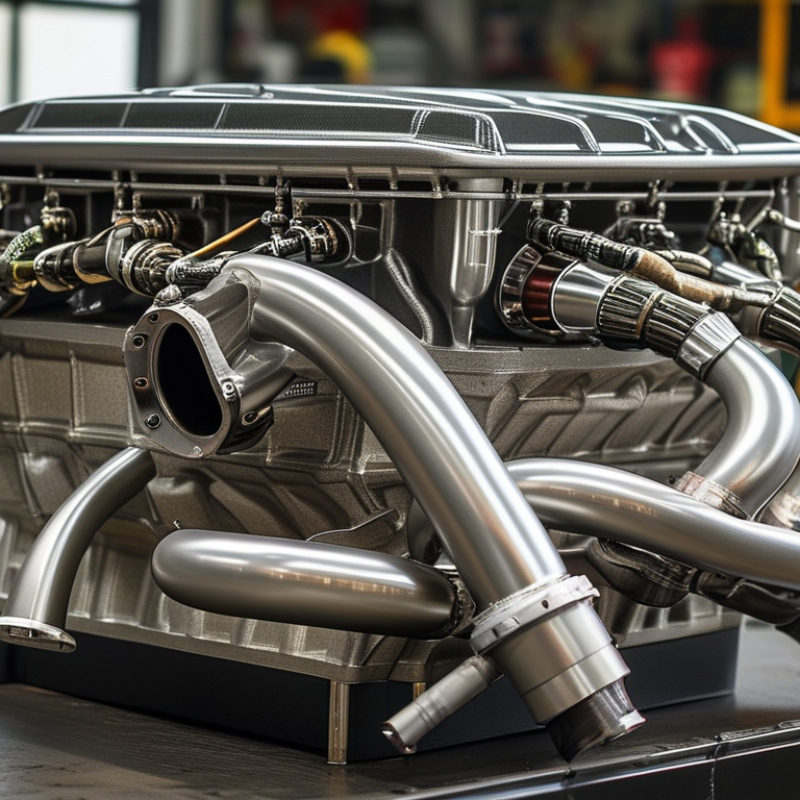
Identifying Common Symptoms of Air Flow Issues in Custom Intakes
When diagnosing air flow issues in custom intakes, identifying symptoms is crucial. One glaring sign is reduced engine performance. You may notice sluggish acceleration or a rough idle. These symptoms can point to obstructions in the air intake system. Clogs can appear from dirt, oil, or even damaged components.
Another indication is unusual engine noises. Hissing or whining sounds may suggest leaks in the intake system. These leaks disrupt the air-fuel mixture, leading to poor combustion. It's essential to inspect hoses and connections for wear and tear. Pay attention to the dashboard warnings too. If your check engine light illuminates, it can be an early sign of air flow problems.
Lastly, monitor fuel efficiency. A sudden decrease can hint at air flow issues. An unbalanced mixture forces the engine to work harder, consuming more fuel. Testing tools can measure air flow accurately, helping pinpoint the problem areas. Regular maintenance and checks are wise, as they can prevent more severe issues down the line.
Checking for Blockages in Air Filters and Ducts
When troubleshooting air flow issues in custom intakes, checking for blockages in air filters and ducts is crucial. Over time, dirt and debris can accumulate in air filters, restricting air flow. Regularly inspect and clean filters to maintain optimal performance. Clean filters improve air quality and engine efficiency.
Inspecting ducts is equally important. Look for any bends or obstructions that may reduce air flow. Small objects can get lodged in ducts, causing uneven air distribution. Taking the time to check duct integrity can prevent further complications and improve overall performance.
Tips: Consider using a vacuum or compressed air to clear out dust and debris from filters and ducts. This simple maintenance can enhance air flow significantly. Always replace filters if they appear damaged or excessively dirty. Keeping components clean is essential for a well-functioning system. The clearer the path, the better the performance of your engine.
Top 10 Ways to Troubleshoot Air Flow Issues in Custom Intakes
| Method |
Description |
Expected Outcome |
| Check Air Filters |
Inspect and replace clogged air filters. |
Improved airflow and engine performance. |
| Inspect Ducts |
Check for visible damage or disconnections in air ducts. |
Restored air intake efficiency. |
| Check for Obstructions |
Remove any debris or foreign objects blocking the intake. |
Smoother airflow through the system. |
| Inspect MAF Sensor |
Clean or replace the Mass Airflow sensor as needed. |
More accurate air measurement for optimal performance. |
| Check for Exhaust Leaks |
Inspect for any leaks in the exhaust system that may affect airflow. |
Balanced pressure and airflow. |
| Upgrade Intake Components |
Consider higher performance intake parts. |
Increased airflow capability. |
| Ensure Proper Seals |
Check that all joints and connections are sealed correctly. |
Preventing air leaks that disturb airflow. |
| Monitor Engine Codes |
Use a scanner to check for fault codes related to intake systems. |
Identifying and resolving potential issues quickly. |
| Regular Maintenance |
Establish a routine checkup schedule for intake-related components. |
Prolonged efficiency and performance of the intake system. |
Inspecting Engine Vacuum Leaks and Their Impact on Air Flow
Inspecting engine vacuum leaks is critical for maintaining optimal air flow in custom intakes. A vacuum leak can lead to an improper air-fuel mixture, causing power loss and poor performance. Look for cracked hoses and loose connections. These are common culprits in air flow issues.
Tips: Always use a smoke test to identify leaks. The visible smoke will show you where air escapes. This simple method can save you time and frustration.
Another area to check is the intake manifold gasket. If it’s worn, it can create leaks that disrupt air flow. Pay attention to uneven idle or strange noises. These symptoms indicate potential issues with the air system.
Tips: Regular maintenance helps prevent major problems. Inspect your components often. This proactive approach can reduce the risk of performance loss. Remember, even small leaks can lead to significant changes in engine behavior. By addressing these problems early, you can ensure better performance and efficiency.
Top 10 Ways to Troubleshoot Air Flow Issues in Custom Intakes
Evaluating the Performance of Aftermarket Intakes for Optimal Air Flow
When evaluating the performance of aftermarket intakes, airflow is crucial. The right intake ensures your engine breathes well and performs optimally. However, not all intakes provide the same benefits. It's essential to analyze how each design affects airflow.
One tip is to look at the filter design. Open-element filters can boost airflow but may expose the engine to contaminants. A closed intake system offers better protection but might restrict airflow. Balance is key.
Another crucial factor is the intake tube diameter. A larger diameter can increase airflow; however, it might disrupt the air velocity and create turbulence. Testing various sizes can help find the optimal diameter for your engine. Always ensure that modifications align with your vehicle's specifications.
Consider also the placement of the intake. Some setups are more prone to heat soak, reducing airflow efficiency. Intakes positioned away from hot engine surfaces often perform better. A cooler intake draws in denser air, enhancing engine performance.
Regular testing and adjustments based on real-world driving can provide insights into how these factors influence your vehicle's airflow. Always be open to experimenting to find the optimal configuration for your needs.
Testing and Adjusting Mass Air Flow (MAF) Sensors for Accuracy
When troubleshooting air flow issues, focusing on the Mass Air Flow (MAF) sensor is essential. This component measures the amount of air entering the engine. A faulty MAF sensor can cause poor performance and reduced efficiency. To test its accuracy, start by inspecting the sensor for dirt and debris. Clean it gently with a specialized cleaner to ensure proper readings.
Next, connect a scan tool to the vehicle. Monitor the MAF readings while the engine is running. Compare these values against the specifications for your engine type. A significant discrepancy indicates a faulty sensor that may need replacement. It’s critical to observe the readings during different operating conditions—idle, acceleration, and cruising speeds. If the readings fluctuate unexpectedly, further investigation is warranted.
Regularly checking the MAF sensor can prevent bigger issues. Sometimes, you may need to re-evaluate your adjustments. What seems accurate at one moment may change. Be prepared for unexpected findings, as accuracy can vary due to factors like temperature and humidity. Ignoring these variables may lead you to overlook underlying problems that affect air flow.
FAQS
: Reduced engine performance, sluggish acceleration, and rough idling are key symptoms to watch for.
Unusual noises like hissing or whining can indicate leaks in the intake system.
A sudden decrease in fuel efficiency may signal air flow issues requiring attention.
The MAF sensor is vital, as it measures air entering the engine and affects performance.
Inspect for dirt first, then use a scan tool to monitor readings while the engine runs.
Regular checks can prevent larger issues and help catch discrepancies early.
Temperature and humidity may lead to fluctuations, impacting your results.
If readings change erratically, further investigation may be necessary to find the issue.
A faulty sensor can create an unbalanced air-fuel mixture, increasing fuel consumption.
Adjustments that appear accurate may change due to various factors; continue to monitor closely.
Conclusion
When learning how to troubleshoot air flow issues in custom intake systems, it is essential to first identify the common symptoms that indicate a problem. These symptoms may include decreased engine performance, irregular sounds, or an illuminated check engine light. Once symptoms are pinpointed, checking for blockages in air filters and ducts can reveal obstructions that hinder air flow.
Additionally, inspecting for engine vacuum leaks is crucial, as even small leaks can significantly impact air flow efficiency. The performance of aftermarket intakes should also be evaluated to ensure they are functioning optimally. Finally, testing and adjusting mass air flow (MAF) sensors for accuracy is vital in maintaining proper air delivery to the engine. By following these steps, you can effectively address air flow issues and improve your vehicle's performance.

 Tolev Auto