In modern commercial, industrial, and automotive environments, standard off-the-shelf air filtration elements are increasingly insufficient. The emergence of strict environmental guidelines (such as the EU's Euro 7 automotive exhaust directives, EPA regulations, and ESG policies) has forced global procurement agencies to prioritize high-capacity custom filtration solutions.
China's specialized air filter manufacturing sector has transitioned from simple component supply to high-precision engineering design. By leveraging complete raw material integration—ranging from domestic production of synthetic, graphene-infused, and fiberglass medias to advanced structural thermoplastic molding—factories like Changchun Tolev Auto Co., Ltd. represent the pinnacle of the industrial supply chain. We optimize the physical properties of each filter element to achieve a precise balance between structural life, initial pressure drop, and micro-particle capture efficiency.
Our manufacturing philosophy bridges the gap between raw particle barrier mechanics and the complex aerodynamics of heavy machinery and automotive engines. Standard operating criteria in dusty environments (mining, agriculture, high-volume shipping corridors) demand media that resists loading while offering extended intervals between maintenance cycles.
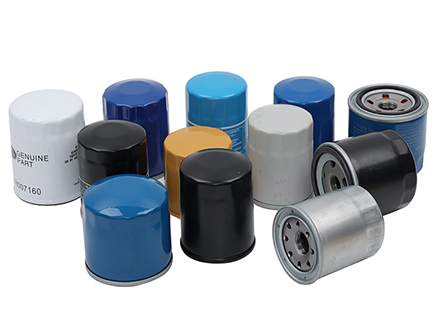
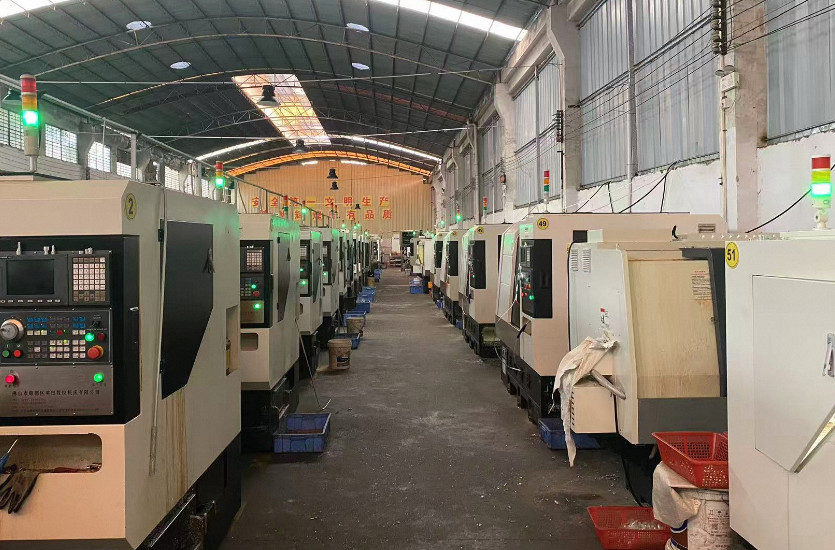
Founded in 2019 and headquartered in Changchun, Jilin Province, China, Changchun Tolev Auto Co., Ltd. is a leading manufacturer specializing in automotive filtration solutions. With over 7 years of expertise (combining a cumulative 12+ years of industry expertise within our foundational staff), we have become a global player in the automotive filter industry. Our modern 5,000 sqm facility, equipped with 9 advanced production lines, serves over 30 countries worldwide.
We are committed to innovation, quality, and customer satisfaction, positioning ourselves as a trusted partner for filtration solutions across the globe. Our location in Changchun—the historic heart of China's automotive industry—gives us direct access to world-class automotive raw materials and metallurgical processing pipelines, enabling us to offer competitive cost structures without sacrificing micro-precision tolerances.
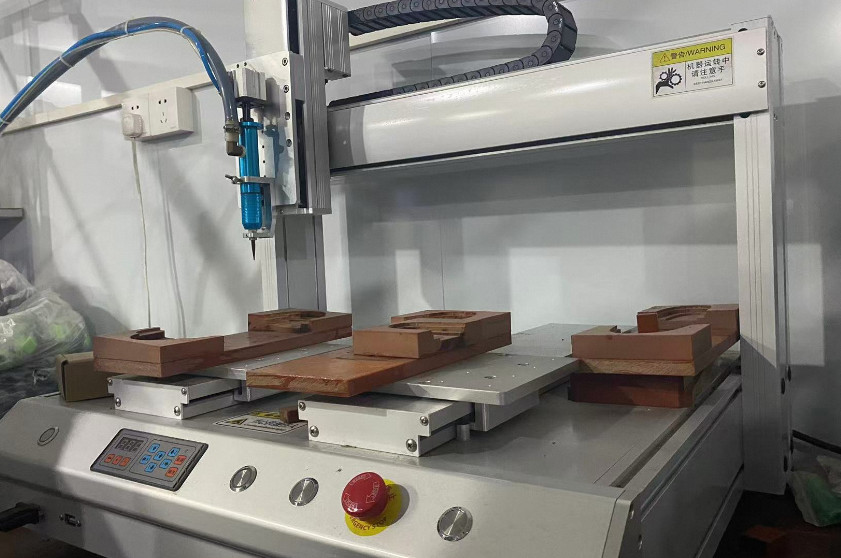
Robotics and advanced manufacturing processes guarantee high quality and efficiency. Precision pleating, automated adhesive application, and polyurethane pouring ensure zero deviation across high-volume production batches.
We control key raw materials, such as synthetic media and steel casings, ensuring cost-effectiveness and superior product quality. By sourcing directly and executing housing molding internally, we eliminate third-party markup.
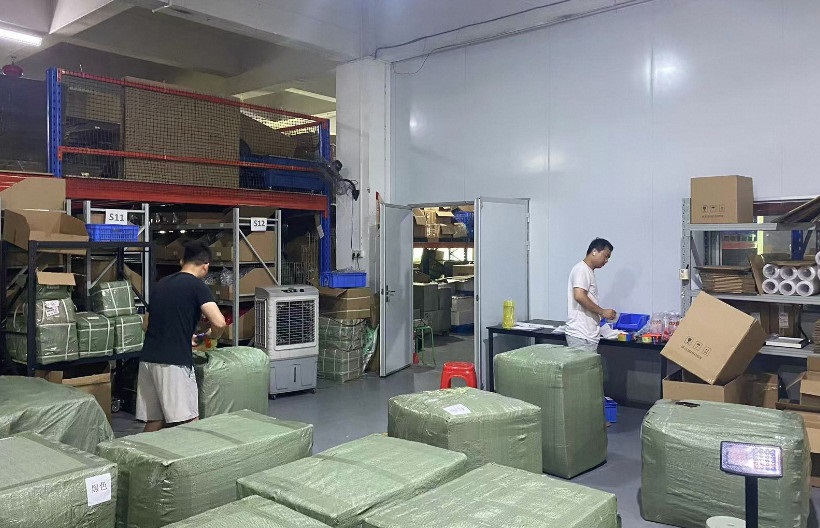
Our standard turnaround time is 30 days, with expedited options available for urgent needs. Robust supply chain pipelines ensure cargo is cleared and shipped via priority logistics centers with absolute transparency.
Industrial filtration procurement involves more than comparing pricing spreadsheets. A poor filtration system compromises heavy equipment engines, reduces hydraulic pressure efficiency, and increases maintenance costs.
Our filters reduce pollutants, engine wear, and maintenance costs, ensuring optimal performance. We resolve core problems of premature paper media failure in high humidity and filter collapse under sudden pressure changes.
Our filters last 15% longer than industry standards (based on third-party testing) and meet global emission requirements. We incorporate proprietary binding compounds to prevent pleat deformation during active airflow cycles.
From raw materials to branding, we tailor our products to meet your specific needs. Dimensions, structural density, micro-pore distribution, housing materials, and brand labels can be adjusted to match exact requirements.
To back these claims, our operational workflows are certified according to international quality frameworks, including ISO 9001 and IATF 16949. Each product undergoes over 12 quality checks, including ISO 5011 certification, EU compliance, CE efficiency tests, and pressure resistance validation. Our research and development team is capable of outputting custom prototypes in just 7 days.
The industrial filtration sector is shifting toward nanoscale fibers and active compound integrations. As environmental requirements become stricter, standard paper media cannot catch sub-micron particles without causing high pressure drops. Our technical roadmap addresses these limitations with advanced material research.
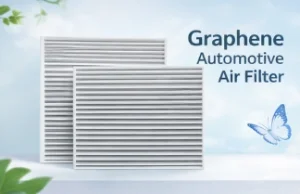
Using graphene layers in non-woven fabrics to capture fine dust while neutralizing mold, mildew, and bacteria on contact.
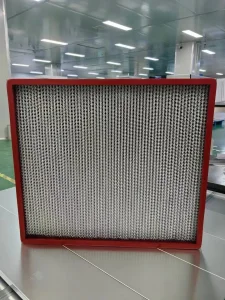
Developing specialized filtration elements capable of continuous operation up to 350°C for industrial gas turbines.
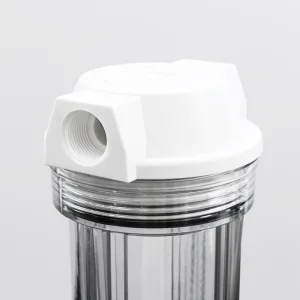
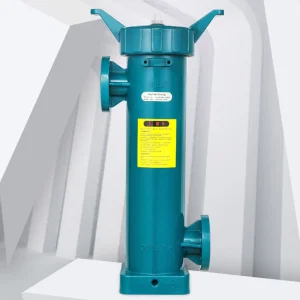
Using Polypropylene Homopolymer (PPH) structural casings to resist corrosion in chemical filtration environments.
Deploying electrospun nanofibers to achieve HEPA class ratings with minimal drag, lowering fuel use in heavy trucks.
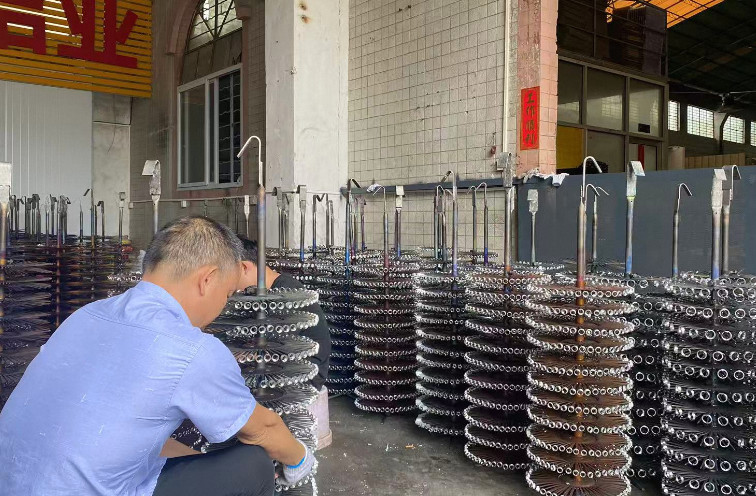
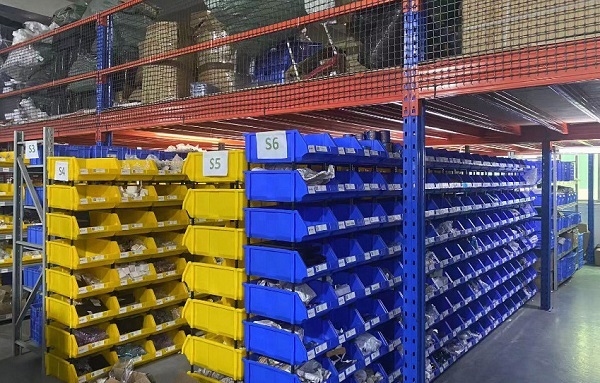
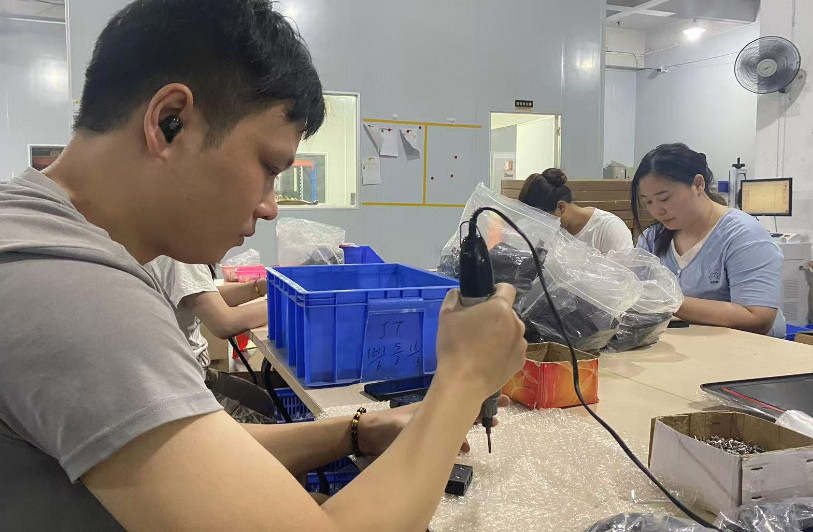
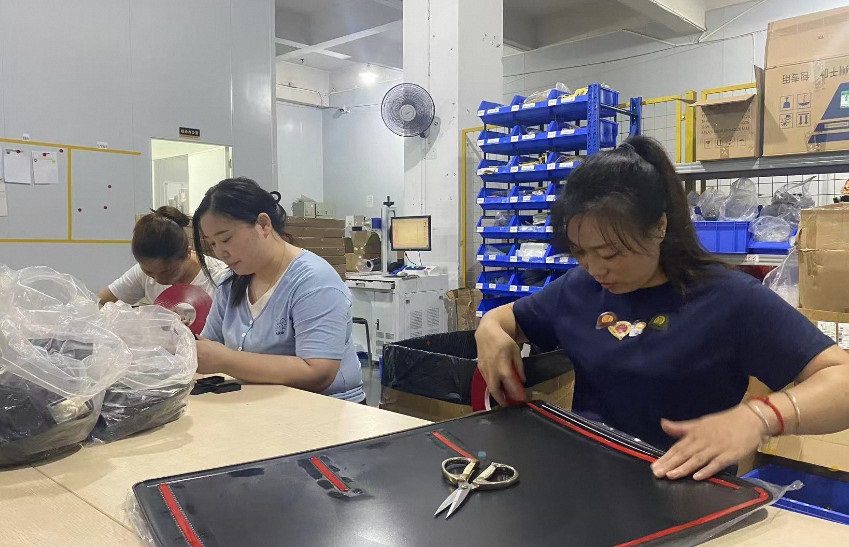
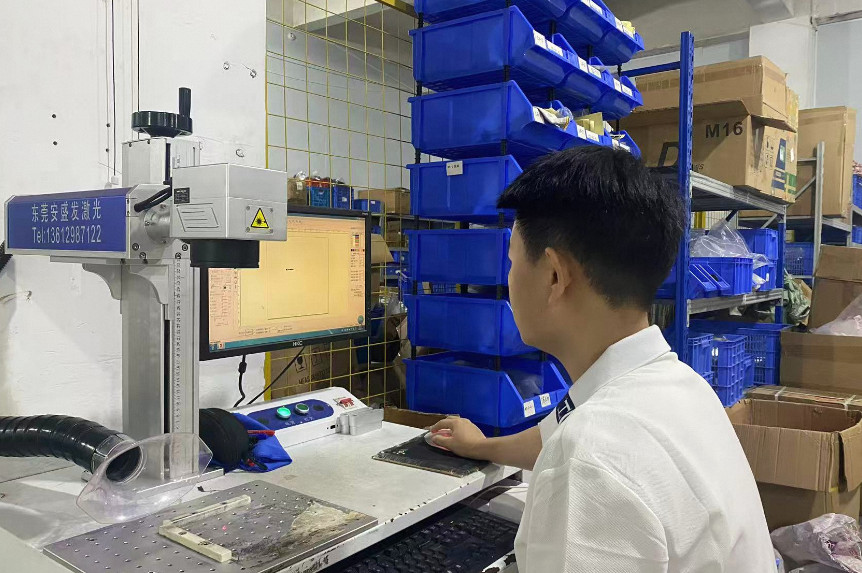
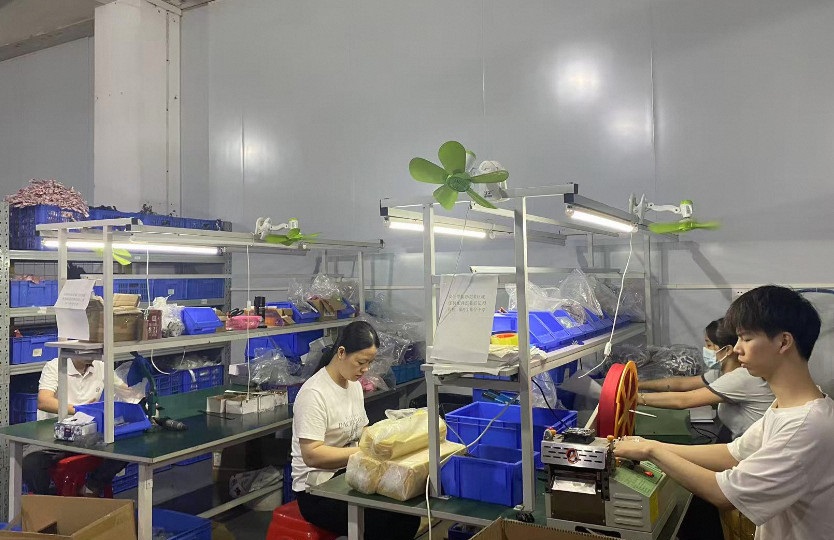
Our 5,000 sqm facility integrates cutting-edge technology with lean management principles to ensure precision and consistency in every product. We maintain strict control over every step of production, from raw material inspection to final sealing and pressure tests.
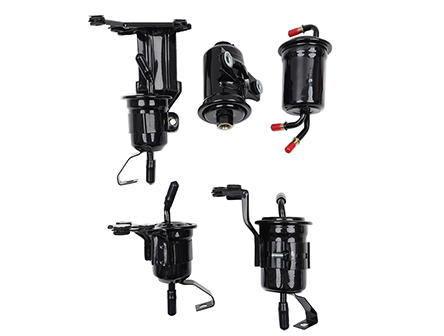
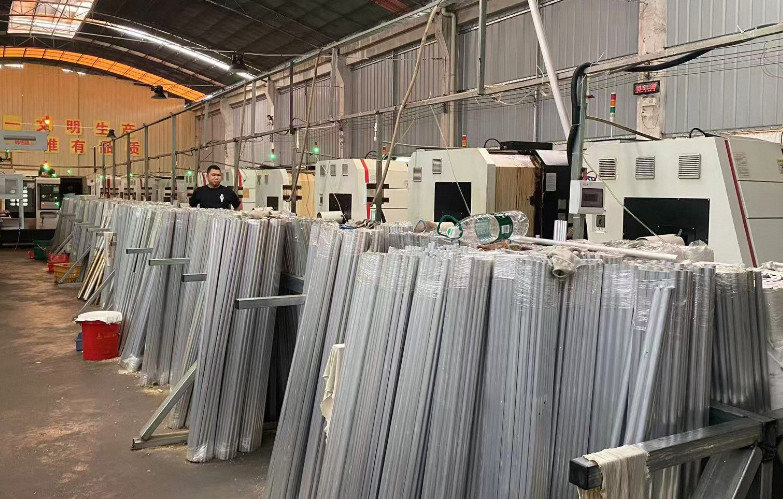
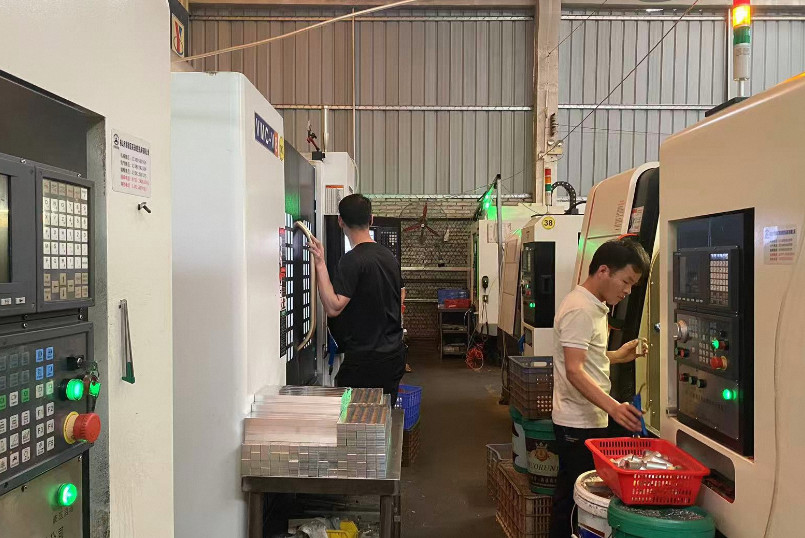
Different operating sectors face unique air intake challenges. We offer tailored, application-specific solution structures rather than generic products:
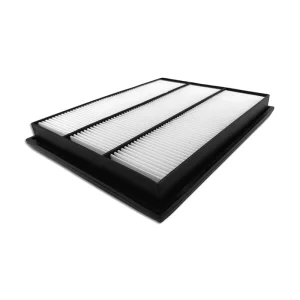
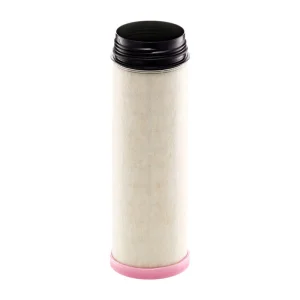
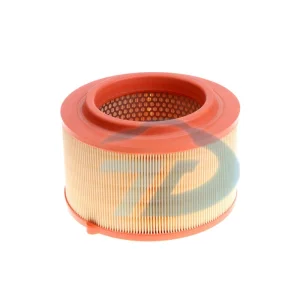
Construction vehicles (Volvo, Caterpillar) require filters that handle dense particulate loads. Our heavy-duty elements use synthetic media to resist moisture and oil mist, preventing engine wear in dusty environments.
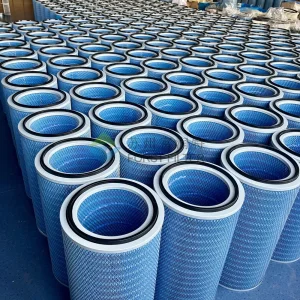
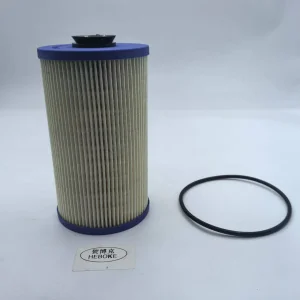
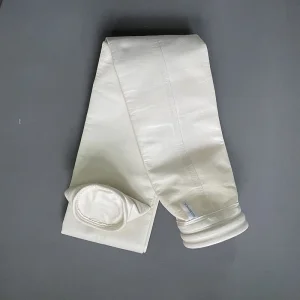
Large gas turbines need high-flow intake protection. Our blue cellulose and aramid cartridges maintain high efficiency, low resistance, and reliable structural support under strong pressure fluctuations.
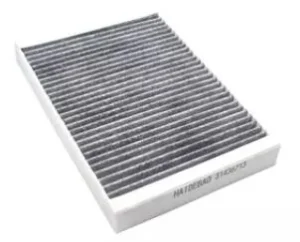
Cabin environments must block PM2.5, odors, and VOCs. Our graphene-activated carbon cabin filters combine physical barriers with chemical adsorption to protect vehicle occupants.
Understanding procurement specifications helps streamline design and production. Here are answers to common questions from engineering and buying teams:
We use high-density synthetic fiber blends instead of standard wood-pulp papers. The synthetic fiber matrix features a graded pore structure that captures larger particles on the outer layer and smaller ones deeper inside, preventing premature clogging. We also apply thermosetting rib binders to prevent pleat bunching.
Every production batch undergoes testing according to ISO 5011 and IATF 16949 standards. We measure fractional efficiency, dust capacity (DHC), initial flow restriction, and burst strength. Automated scanning systems check Cabin air filter frames and high-temp elements for leaks before final packaging.
Once we receive your technical drawings or OE dimensions, our engineering team completes CAD layouts within 48 hours. Using our rapid prototyping line, sample filter elements are produced, tested, and dispatched within 7 days.
Yes. We mold housings using Polypropylene Homopolymer (PPH), PVDF, or marine-grade stainless steel (316L). These materials are chosen to withstand acidic vapors, hot industrial fluids, and chemical scrubbing solutions in industrial processes.
We offer full OEM support, including laser printing part numbers and logos directly onto filter end-caps. We also manufacture custom packaging, boxes, and barcode systems to match your branding requirements.
At Changchun Tolev Auto Co., Ltd., we understand the challenges of finding a reliable and cost-effective filter supplier. Let us help you enhance your product performance while reducing costs by up to 20%. Contact us today to learn more about our tailored solutions.
Request Technical Consultation Tolev Auto