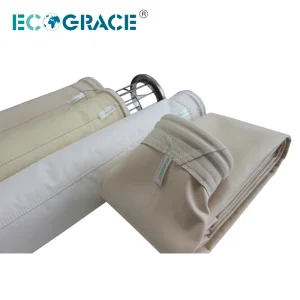
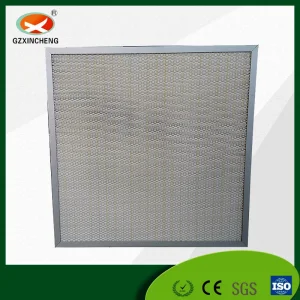
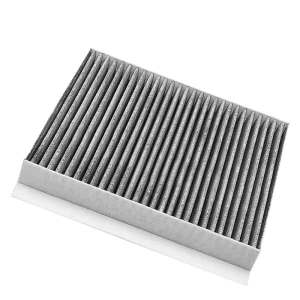
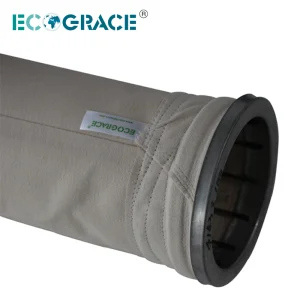
In the modern era of automotive engineering, cabin air quality has transcended comfort—it is now a critical health and safety parameter. High-performance cabin filters (HPCFs) are no longer just particulate traps; they are complex filtration ecosystems. The integration of Electrostatic Charge Technology and Multi-Layered Activated Carbon media allows contemporary filters to neutralize VOCs (Volatile Organic Compounds), PM2.5 pollutants, and even bio-aerosols. Our research indicates that the global transition towards electric vehicles (EVs) has accelerated demand, as EV cabin heating/cooling systems demand lower air resistance, pushing manufacturers toward optimized airflow designs.
China has solidified its position as the global nexus for automotive filtration manufacturing. Our operations exemplify the "Factory 4.0" paradigm:
For international buyers—including fleet managers, OEM partners, and aftermarket distributors—the priority has shifted from "lowest cost" to "total cost of ownership" (TCO). Procurement teams are increasingly looking for suppliers who offer:
Founded in 2019 and headquartered in Changchun, Jilin Province, China, Changchun Tolev Auto Co., Ltd. is a leading manufacturer specializing in automotive filtration solutions. With over 7 years of expertise, we have become a global player in the automotive filter industry. Our modern 5,000 sqm facility serves over 30 countries worldwide.
We are committed to innovation, quality, and customer satisfaction. Our strengths include:
Q: How do your cabin filters contribute to ESG and sustainability goals?
A: By improving airflow efficiency, our filters reduce the load on vehicle HVAC systems, leading to lower energy consumption—a vital factor for EV range optimization. Additionally, our durable design reduces the frequency of disposal.
Q: Can you provide OEM/ODM services for niche vehicle models?
A: Absolutely. With 7-day prototyping capabilities and our R&D focus, we can reverse-engineer or design from specifications for small-batch specialized vehicles as efficiently as for mass-market fleets.
Q: What makes your manufacturing process "Industry 4.0" ready?
A: We utilize IoT-integrated machinery that monitors pressure resistance and filtration efficiency in real-time. This data-driven approach minimizes waste and ensures that every filter meets exact ISO 9001 and IATF 16949 standards before leaving the factory.
 Tolev Auto