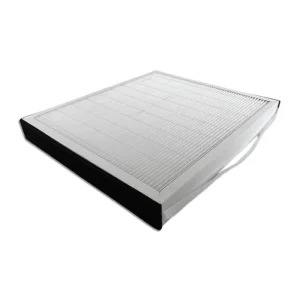
Engineered to withstand extreme environments, providing unmatched mechanical integrity and micro-particle capture.
The Evolution of Synthetic Media in Commercial & Automotive Oil Filtration
The transition from traditional cellulose-based media to advanced synthetic media represents the most significant breakthrough in engine lubrication maintenance of the past three decades. Today’s high-output engines run hotter, operate under higher pressures, and employ ultra-low viscosity oils (such as 0W-16 and 0W-8) to meet strict emission standards. Under these conditions, conventional cellulose filter paper degrades rapidly, losing its structural shape and allowing contaminants to bypass back into the engine.
Fully synthetic filter media utilizes glass-free polymer microfibers—typically polyester, polyamide, or specialty microglass—engineered with precise, controlled fiber diameters. Unlike organic cellulose fibers, which are flat and irregular, synthetic fibers are uniform, round, and much thinner. This structural uniformity allows manufacturers to construct multi-layered media designs that feature graduated density: larger pores on the outer layer to trap coarse soot, and progressive micro-pore structures on the inner layers to capture sub-micron wear elements.
From an operating standpoint, synthetic media provides up to 5 times the dust-holding capacity (DHC) of traditional cellulose, alongside significantly lower restriction to oil flow (lower differential pressure). In cold-start conditions, where thick oil struggles to pass through cellulose, synthetic media maintains an open path, minimizing the time an engine runs with the bypass valve open—a critical phase that accounts for over 70% of long-term engine wear.
Advanced synthetic micro-fibers capture soot and metal particles down to 2 microns, protecting delicate engine components.
Proven to resist thermal degradation up to 150°C and maintain structure during extended service intervals.
Ensures immediate oil delivery and lubrication to the engine, even in extreme sub-zero cold starts.
For industrial fleet managers, heavy machinery operators, and global OEM buyers, procurement of oil filters is no longer a simple transactional purchase. It has evolved into a strategic decision focused on Total Cost of Ownership (TCO). When auditing a potential filter factory, procurement professionals evaluate several technical metrics:
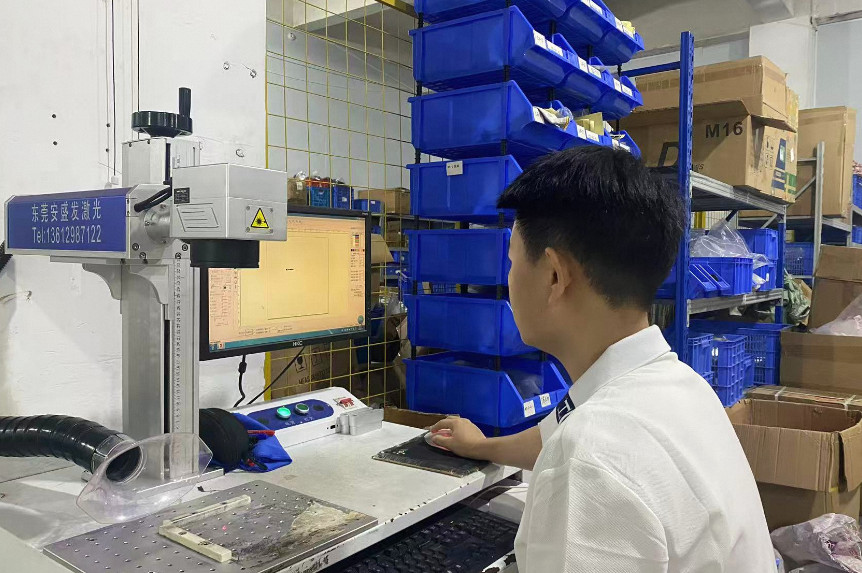
In addition to strict technical benchmarks, modern supply chains require high adaptability. Leading manufacturers must offer tailored private labeling, customized product printing, and flexible packaging designs that allow Tier 1 distributors to go to market with minimal friction.
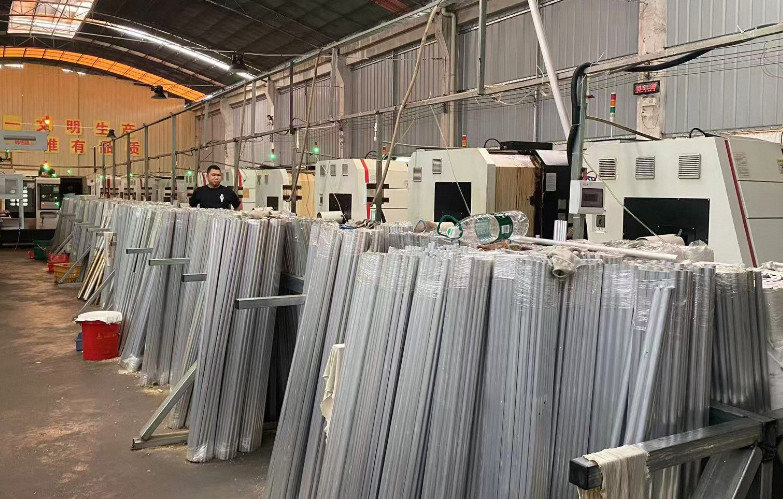
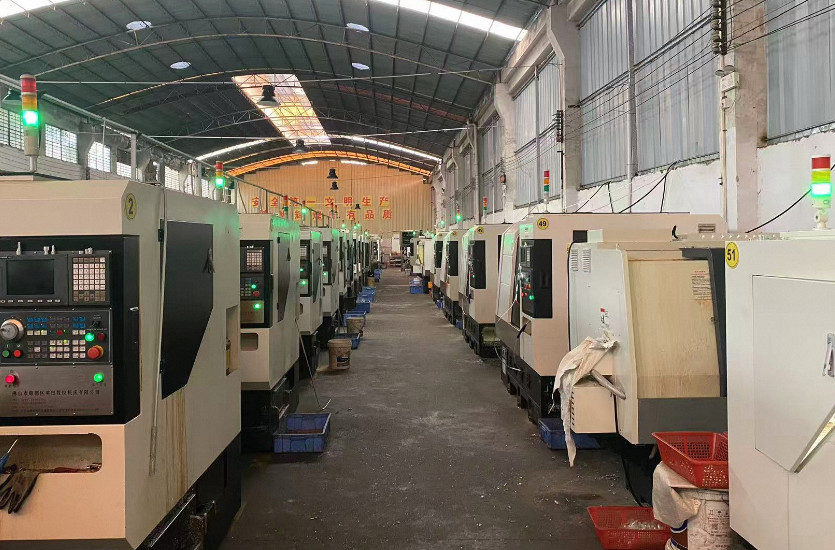
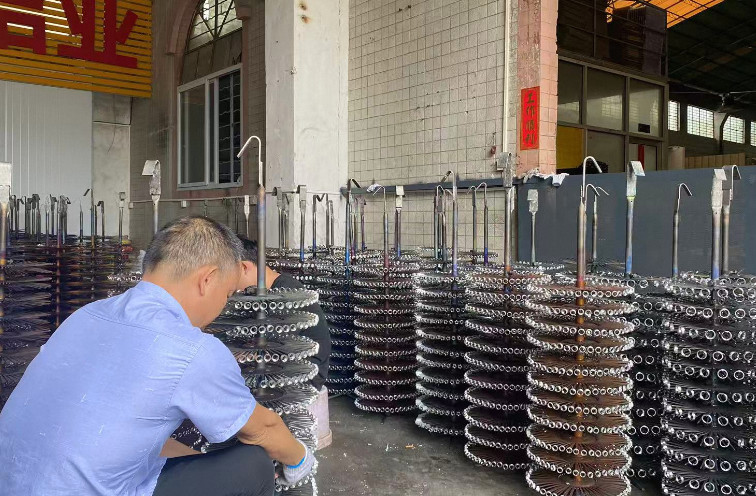
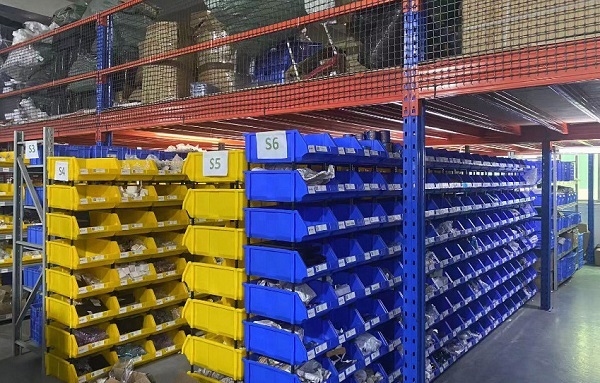
The manufacturing landscape for synthetic media filters has shifted toward highly automated, vertically integrated facilities. In regions like Northeast China—specifically Changchun, a historic automotive manufacturing cluster—factories leverage complete vertical integration. This ensures full control over raw materials, from high-grade synthetic media rolls to heavy-gauge steel for shells and high-grade nitrile or silicone gaskets.
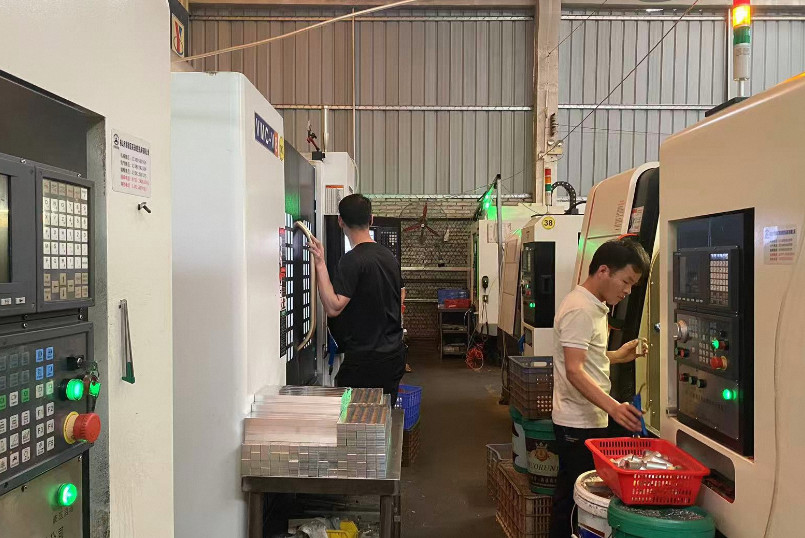
By implementing Factory 4.0 principles, manufacturing plants achieve precise quality control through:
1. Automated Pleating & Embossing: Ensuring uniform spacing of pleats, which maximizes the effective filtration area and prevents flow restriction.
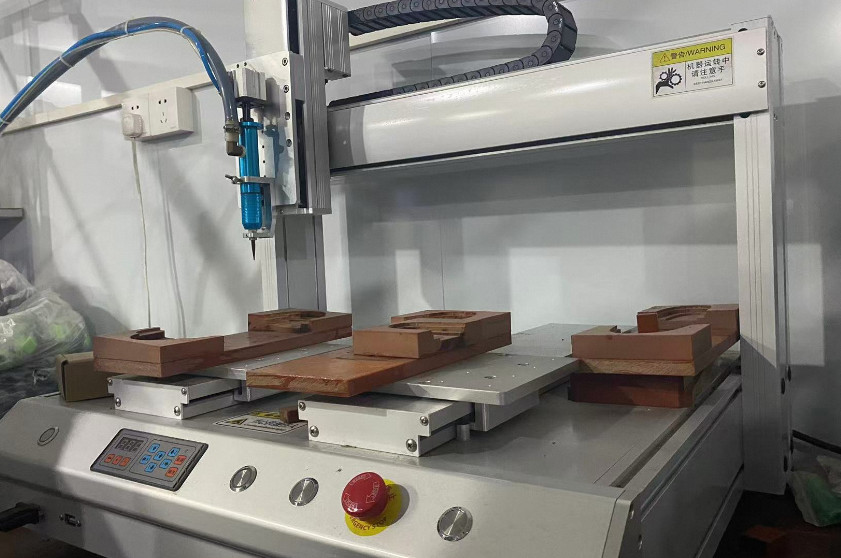
2. Robotized Adhesive Dispensing: Delivering identical quantities of plastisol or epoxy glue to bond the media pack to the metal end caps, preventing bypass leaks.
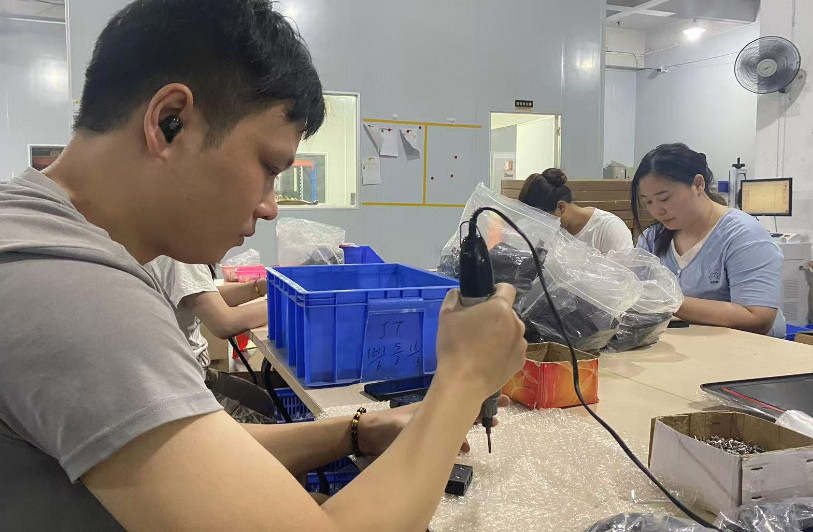
3. 100% In-line Quality Checks: Every single filter undergoes automated pressure testing and visual inspection to guarantee leak-proof performance before shipping.
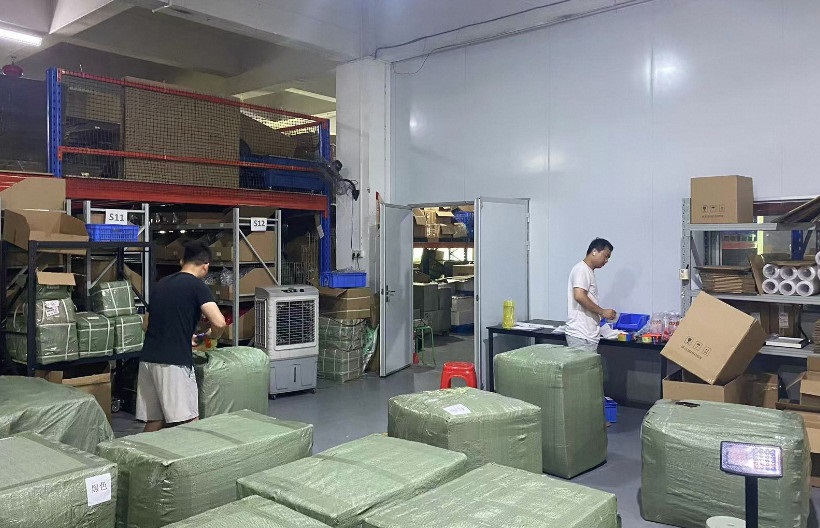
This localized supply chain cluster significantly reduces lead times. For custom OEM or ODM orders, prototypes can be designed, tested, and delivered within 7 days, and mass production runs can be completed and shipped in under 30 days. This agility is a key shield against global logistics bottlenecks, helping buyers maintain leaner inventories and optimize working capital.
Strategic analysis of industry leaders based on market share, innovation, and production capabilities.
A global leader in engine and industrial filtration. Famous for their Synteq™ synthetic media technology, which delivers excellent efficiency and low flow resistance in heavy-duty off-highway equipment.
The European benchmark for automotive filtration. Mann+Hummel offers high-end synthetic media solutions under the MANN-FILTER brand, providing OEM-level products to premium car brands worldwide.
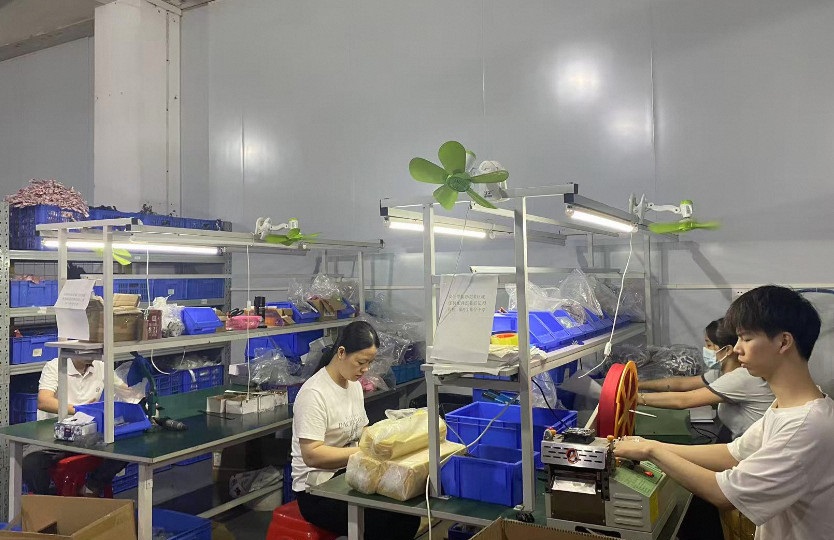
A rapidly expanding OEM power player. Operating a modern 5,000 sqm facility with 9 automated lines, specializing in high-flexibility customization, rapid 7-day prototyping, and cost-effective bulk supply.
Highly regarded in heavy-duty commercial trucking and industrial machinery. Baldwin utilizes advanced synthetic media designs to withstand rugged off-highway operating environments.
Known for their Fleetguard brand and patented Stratapore™ multi-layered synthetic media, they provide ultimate component protection for high-displacement diesel engines.
An American aftermarket giant that offers high-capacity synthetic media filters designed for extended oil drain intervals. WIX is highly popular among commercial fleet operations.
A premium provider of advanced filtration solutions for aerospace, industrial, and hydraulic applications. Pall is known for ultra-fine microglass synthetic media technology.
An innovative German engineering firm specializing in modular filtration systems. Hengst manufactures eco-friendly, metal-free synthetic cartridge filters that reduce waste.
A global material science leader. Freudenberg manufactures high-durability synthetic nonwoven filter materials, supplying filtration media to major filter brands across the globe.
A global leader in motion and control technologies. Parker offers extensive hydraulic and lubrication filtration systems that utilize glass-fiber and synthetic media to prevent micro-wear in critical components.
Your Trustworthy Partner for Custom Automotive & Industrial Filtration Solutions
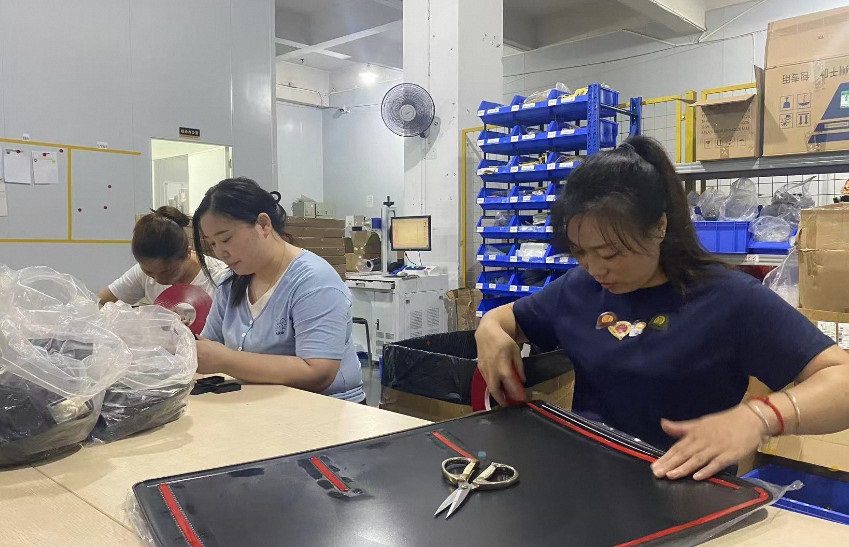
Founded in 2019 and headquartered in Changchun, Jilin Province, China, Changchun Tolev Auto Co., Ltd. is a leading manufacturer specializing in automotive filtration solutions. With over 7 years of industry expertise, we have grown into a reliable global supplier. Our modern 5,000 sqm facility, equipped with 9 advanced production lines, serves over 30 countries worldwide.
We provide customizable automotive filtration systems, including Air Filters, Oil Filters, Fuel Filters, and Air Conditioning Filters. Our products serve passenger & commercial vehicles, heavy machinery, and global aftermarket and OEM clients. With a capacity of 8 million filters annually, we offer rapid 7-day prototyping and standard 30-day delivery cycles.
How synthetic media oil filters protect equipment in real-world extreme situations.
Long-haul trucks drive over 100,000 miles a year, requiring long service intervals. Synthetic media handles soot and maintains low flow restriction, allowing fleets to extend drain intervals up to 25,000 miles safely.
In regions like Northern Europe, Canada, and Northern China, winter startup temperatures drop below -30°C. Standard cellulose paper risks clogging or collapsing under thick cold oil. Flow-optimized synthetic media ensures fast lubrication, preventing dry starts.
Mining trucks and excavators operate in highly dusty environments where airborne silica can get into the engine oil. Our synthetic filters provide excellent efficiency, trapping micro-abrasive silica before it damages bearings and piston rings.
Detailed technical answers for procurement directors, product managers, and design engineers.
At Changchun Tolev Auto Co., Ltd., we understand the challenges of finding a reliable and cost-effective filter supplier. Let us help you enhance your product performance while reducing costs by up to 20%. Contact us today to learn more about our tailored solutions.
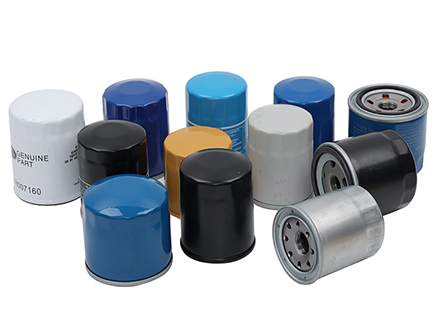
Premium OEM and aftermarket replacements built for optimal performance and longer wear life.
 Tolev Auto