Engineered specifically to survive extreme salinity, marine environments, and severe offshore corrosion conditions unique to Kiribati.
Kiribati, comprising 32 low-lying coral atolls and one raised limestone island (Banaba), presents one of the most challenging operating environments in the world for water resource management. With no surface rivers and highly fragile groundwater lenses that are constantly threatened by saltwater intrusion, sea-level rise, and anthropogenic pollution, the demand for resilient water treatment systems is acute.
In South Tarawa and Kiritimati, municipal frameworks are shifting away from direct groundwater reliance towards Seawater Reverse Osmosis (SWRO) desalination and high-efficiency rainwater harvesting structures. This transition requires state-of-the-art pre-filtration technologies. Without customized, heavy-duty filter housings capable of resisting extreme atmospheric salt concentrations and handling variable raw water turbidities, downstream RO membranes face catastrophic fouling within weeks, leading to soaring municipal energy bills and system downtimes.
Kiribati's extreme conditions mandate engineered physical protection barriers. The integration of robust physical filtration housings prevents mineral precipitation and biological bio-fouling on membrane interfaces.
Tailored filter architectures deployed to address the precise socio-economic and industrial activities in the Gilbert, Line, and Phoenix Islands.
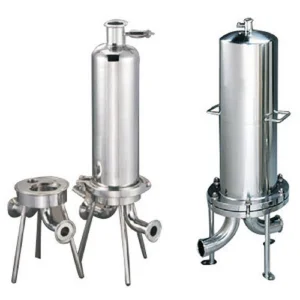
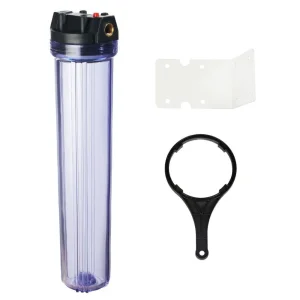
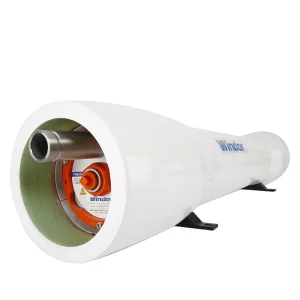
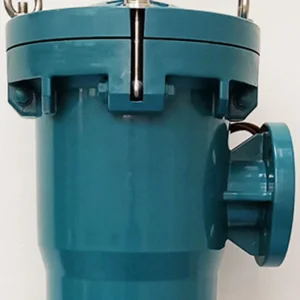
Protecting delicate polyamide membranes from micro-sediment and marine particulates. Our FRP and Duplex Stainless Steel housings withstand seawater velocities and high chloride concentrations, preventing pitting and crevice corrosion.
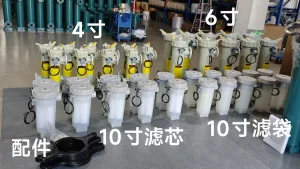
Installed at communal schools, clinics, and government halls in Betio to intercept debris, bird droppings, and organic matter collected from rooftops, ensuring safe gravity-fed pre-treatment before final chlorination.
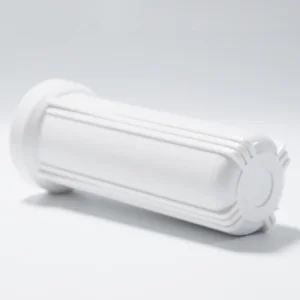
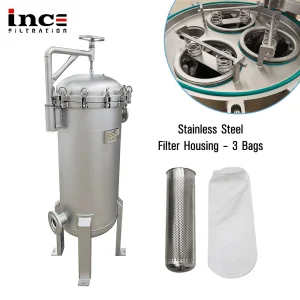
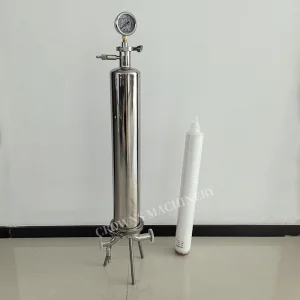
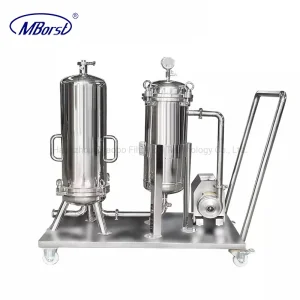
Supplying the local agricultural industry with highly customized single and multi-bag liquid filter housings to clarify coconut oil, removing fibrous particulates and ensuring high-purity end-products for domestic use and export.
Why material science determines system durability in ocean-bound tropical conditions.
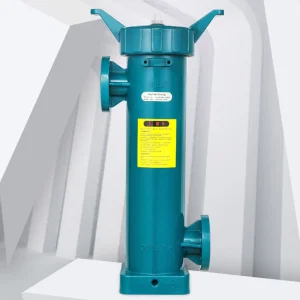
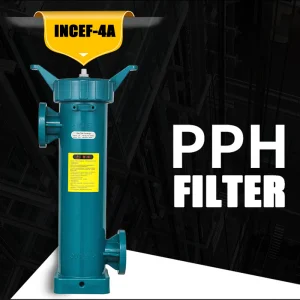
In municipal desalination and chemical processing projects, choosing the correct material for pressure vessel architectures is a critical design decision. Standard carbon steels fail instantly. Even poorly processed Austenitic Stainless Steel (such as low-grade 304) is highly susceptible to stress corrosion cracking (SCC) under the intense UV radiation and elevated temperatures of Kiribati's equatorial zone. Our engineering team utilizes custom-engineered PPH (Polypropylene Homopolymer), FRP (Fiber-Reinforced Plastic), and Super Duplex Stainless Steel (UNS S32750) to provide the maximum lifespan available in the global marketplace.
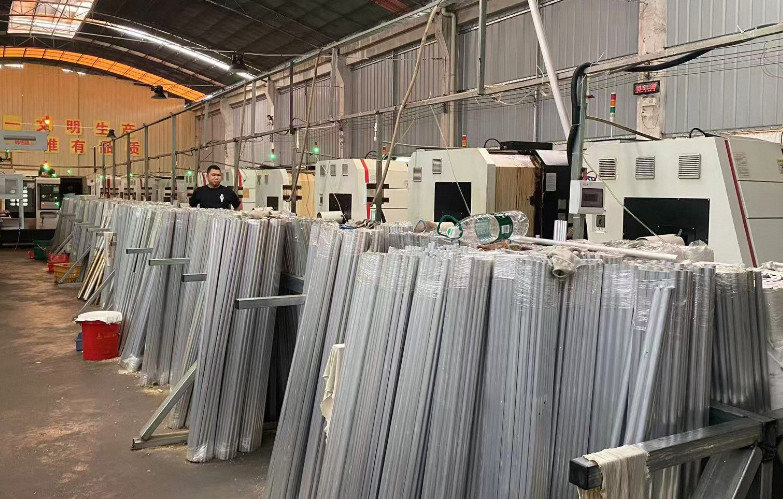
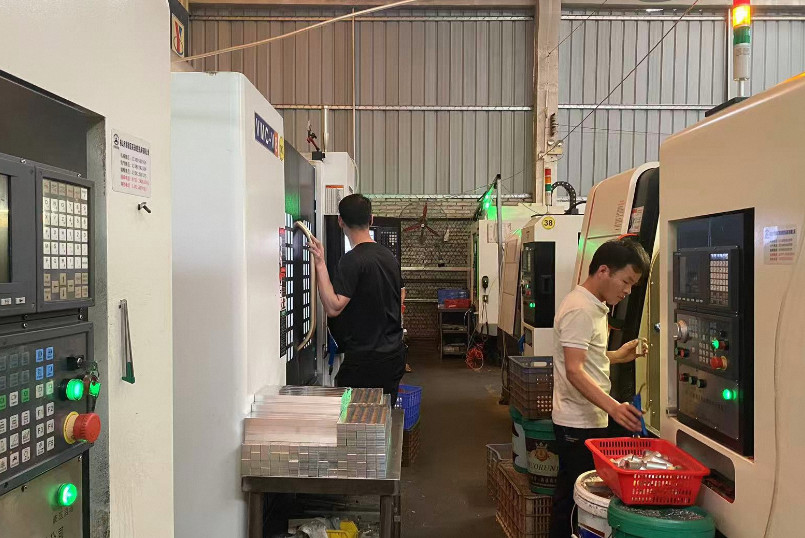
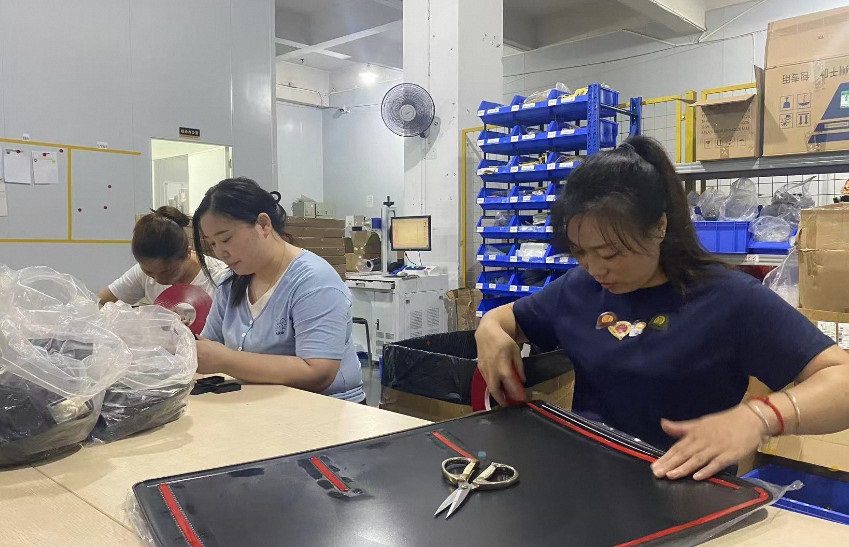
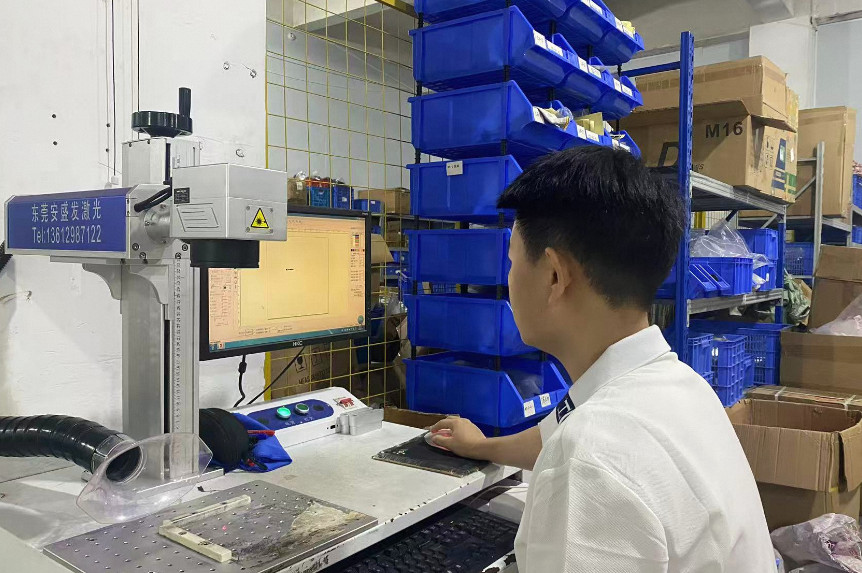
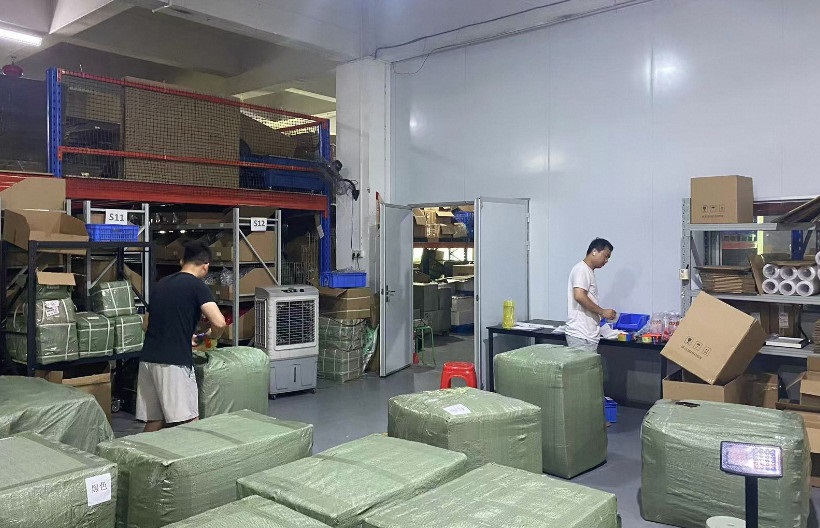
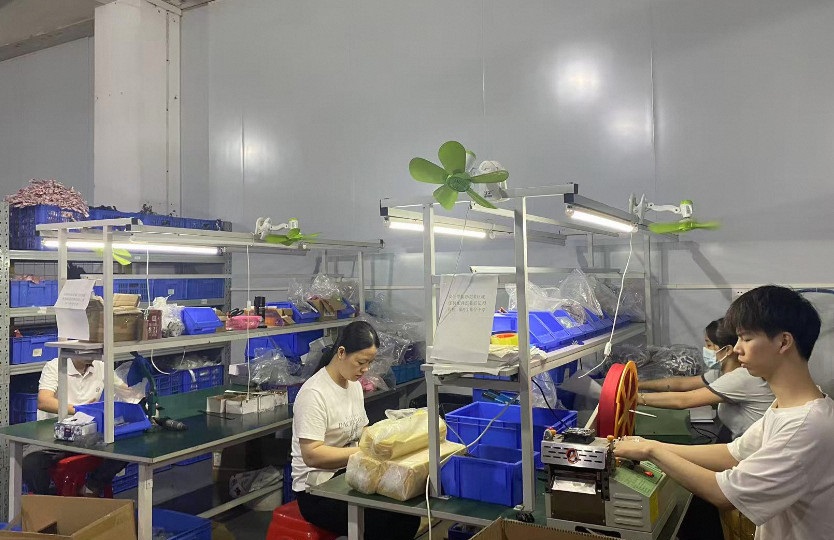
Founded in 2019 and headquartered in Changchun, Jilin Province, China, Changchun Tolev Auto Co., Ltd. has expanded its industrial engineering capabilities to manufacture advanced liquid filtration systems alongside our high-precision automotive solutions. With over 7 years of specialized production expertise, we operate a state-of-the-art 5,000 sqm production facility featuring 9 automated fabrication lines.
We solve the complex logistical challenges of supplying the remote Pacific region through vertical raw material integration. We directly source high-grade titanium-stabilized stainless steel sheets, pure monomer PP resins, and premium fiberglass roving. This full manufacturing oversight guarantees production speed, maintaining a standard lead time of only 30 days and rapid-response customized prototyping within 7 days.
By bypassing third-party sourcing, we pass on a structural cost reduction of up to 20% to municipal contractors and NGOs operating in Kiribati, without sacrificing critical pressure vessel certifications or structural thickness.
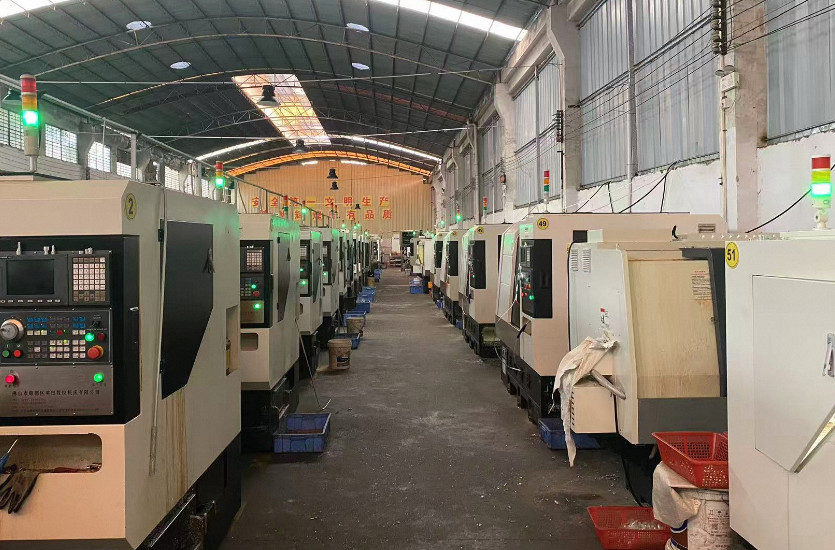
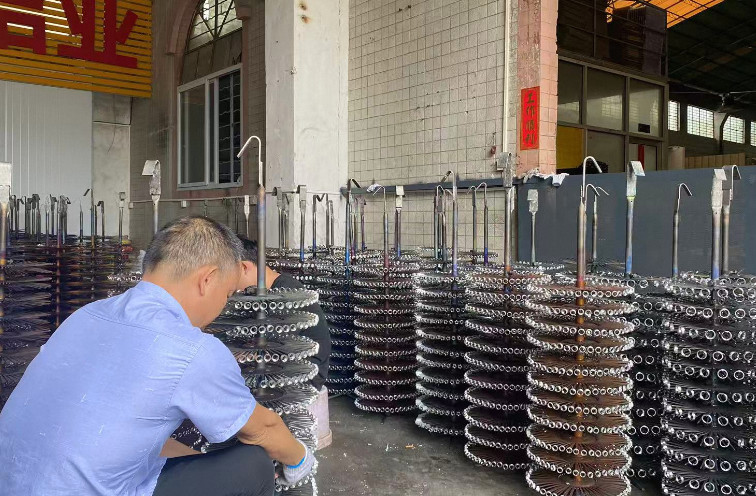
Each custom housing undergoes meticulous multi-point structural validation before maritime dispatch.
Housings are subjected to hydrostatic pressures up to 1.5 times the nominal operating pressure for a minimum of 60 minutes to verify seam integrity.
For our stainless steel lines, all critical pressure-bearing circular and longitudinal welds undergo non-destructive radiographic testing to ensure complete fusion.
Materials contacting municipal drinking water are verified as leach-free, preventing heavy metals or chemical monomers from polluting purified output streams.
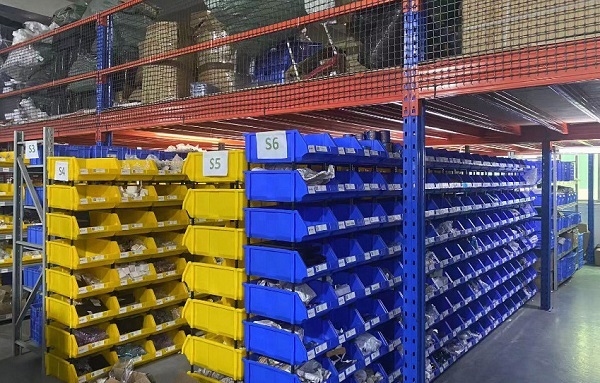
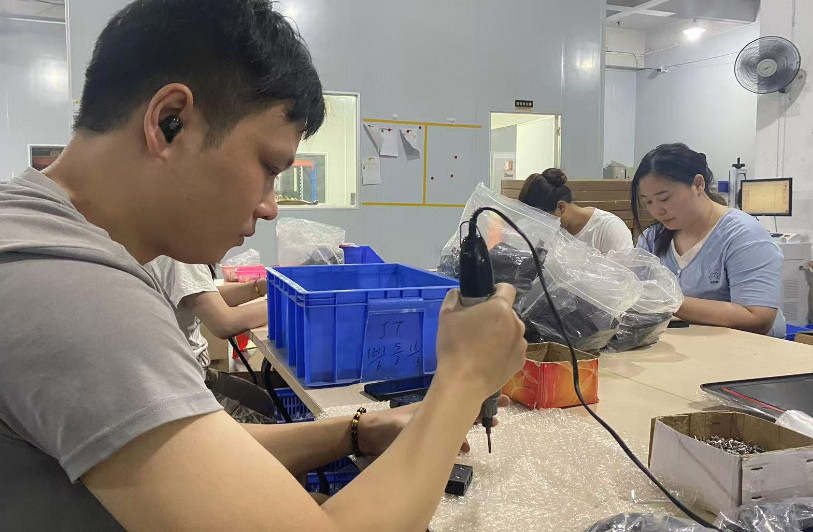
Direct, technical answers to the most common configuration and design questions asked by municipal planners in Tarawa.
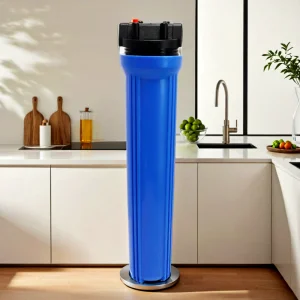
Extended technical selections for municipal water supplies, brackish groundwater treatment, and high-efficiency marine desalinators.
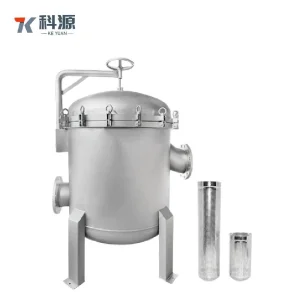
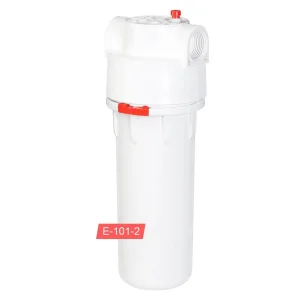
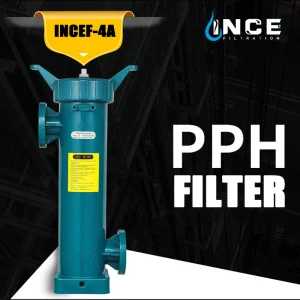
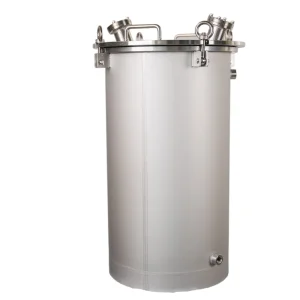
Whether you are designing a municipal-scale SWRO desalination plant in Betio or implementing modular rainwater harvesters on remote outer islands, our engineering team will calculate precise pressure limits, chemical compatibility, and sizing profiles to guarantee long-term efficiency.
Send Inquiry Now Tolev Auto